In the world of high-end furniture and interior design, conversion is rarely driven by price alone. Instead, it is shaped by perception, emotional engagement, and the ability to create a memorable spatial experience. For designers, developers, and showroom operators, one of the most effective yet often underutilized strategies for increasing conversion lies in the use of statement furniture pieces.
This case study explores how strategically integrating statement pieces—particularly high-end synthetic crystal furniture—can significantly enhance customer engagement, accelerate decision-making, and ultimately boost conversion rates in luxury projects.
Understanding Conversion in High-End Contexts
Conversion in premium furniture projects differs fundamentally from mass-market retail. The sales cycle is longer, the decision-making process involves multiple stakeholders, and the expectations are significantly higher. Clients are not simply buying products; they are investing in identity, experience, and long-term value.
In this environment, traditional sales tactics such as discounts or promotions have limited impact. What truly drives conversion is the ability to create a strong emotional connection and a clear vision of the final space. This is where statement furniture becomes critical.
What Defines a Statement Piece
A statement furniture piece is not defined solely by size or cost. Its primary function is to anchor a space visually and emotionally. It draws attention, creates a focal point, and sets the tone for the surrounding environment.
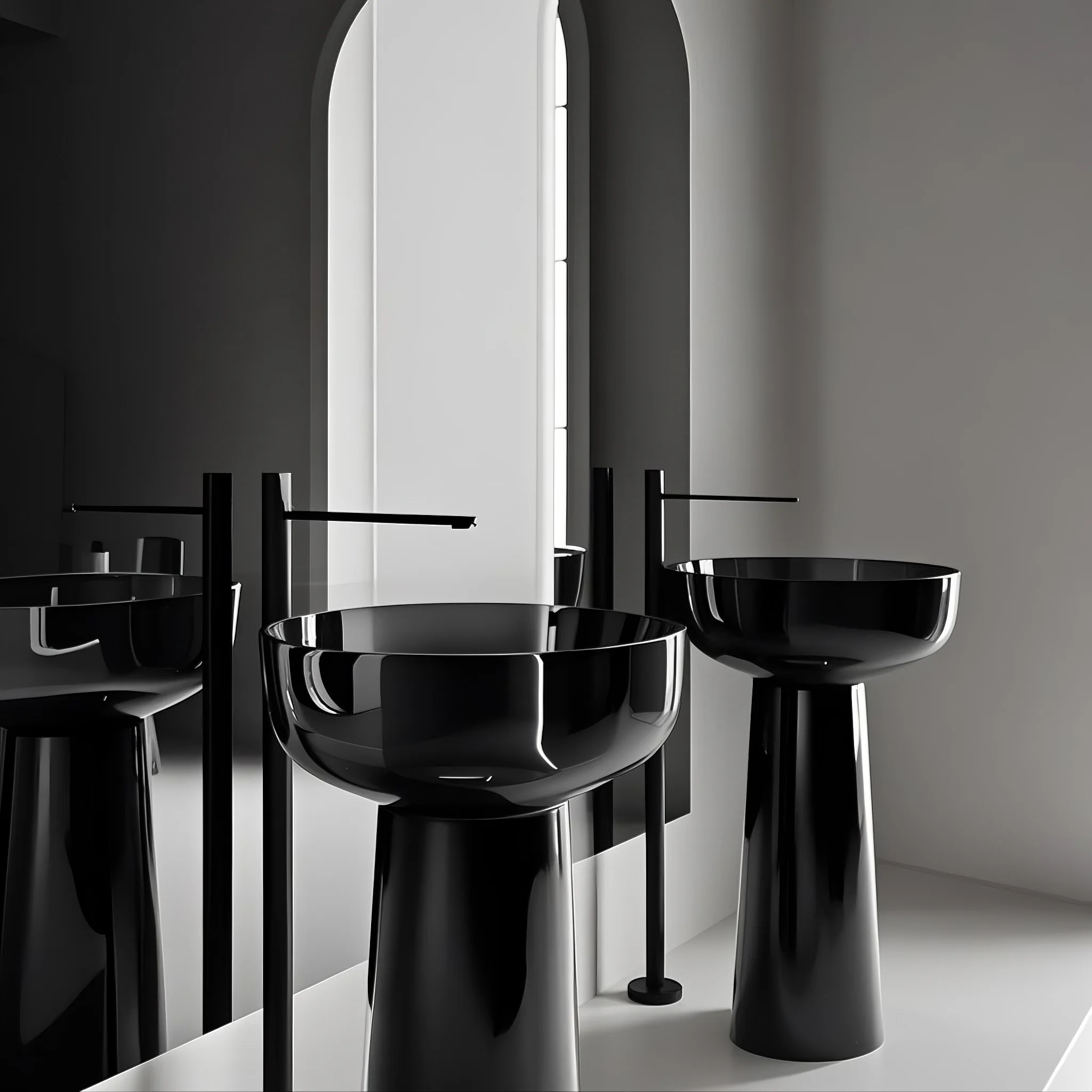
High-end synthetic crystal furniture naturally fulfills this role. Its interaction with light, its sculptural qualities, and its material uniqueness make it stand out instantly. Unlike conventional materials, crystal introduces transparency, depth, and movement, transforming furniture into a visual experience.
Project Background
In a recent high-end residential project in Europe, a luxury showroom partnered with an interior design studio to furnish a 450-square-meter penthouse. The client, a seasoned investor with multiple properties, had a clear requirement: the space needed to feel distinctive, modern, and unlike anything they had seen before.
Initial design proposals relied heavily on premium wood, metal, and marble combinations. While elegant, these concepts failed to excite the client. Feedback consistently pointed to a lack of “wow factor” and insufficient differentiation.
At this stage, the project faced a common risk in high-end design: decision fatigue. Without a compelling focal point, the client struggled to commit, delaying the project timeline and increasing uncertainty.
Introducing the Statement Strategy
To address this challenge, the design team introduced a statement-driven approach. Instead of treating all furniture pieces equally, they identified key zones within the penthouse where visual impact would have the greatest influence.
These zones included the main living area, the dining space, and the entrance hall. For each of these areas, a single statement piece was proposed to anchor the design.
The centerpiece of this strategy was a custom high-end synthetic crystal dining table. Designed with embedded metallic elements and a sculptural base, the table was positioned under a carefully planned lighting installation to maximize its visual impact.

Immediate Impact on Client Perception
The introduction of the crystal statement piece produced an immediate shift in client response. During the next presentation, the client’s attention was drawn directly to the dining area. The table became the focal point of the discussion, sparking questions about material, craftsmanship, and customization.
More importantly, it changed how the client perceived the entire project. What previously felt like a collection of well-designed elements now appeared as a cohesive, high-impact concept. The statement piece provided a reference point around which the rest of the design could be understood.
This shift reduced ambiguity and helped the client visualize the final outcome more clearly.
Acceleration of Decision-Making
One of the most measurable outcomes of this approach was the acceleration of decision-making. Prior to introducing the statement piece, the client had postponed approval multiple times, requesting revisions and alternative options.
After the integration of the crystal dining table, the approval process moved significantly faster. Within two meetings, the client confirmed not only the dining area but also the adjacent living space, which had been redesigned to complement the statement piece.
This highlights a key principle: a strong focal point reduces cognitive load. When clients can anchor their vision around a defining element, they are more confident in making decisions about the surrounding components.
Impact on Overall Project Value
Beyond improving conversion speed, the use of statement furniture also increased the overall project value. The client, inspired by the uniqueness of the crystal piece, expressed interest in incorporating additional custom elements throughout the penthouse.
This led to the inclusion of a crystal console in the entrance hall and a series of smaller decorative pieces in the living area. As a result, the total project value increased by approximately 18 percent compared to the original proposal.
Importantly, this increase was not driven by upselling in the traditional sense. It was a natural outcome of heightened engagement and a stronger emotional connection to the design.
Enhancing Showroom Performance
The benefits of statement pieces extend beyond individual projects. Showrooms that effectively utilize high-impact furniture experience measurable improvements in customer behavior.
Visitors are more likely to stop, interact, and spend time in areas where statement pieces are displayed. Crystal furniture, in particular, attracts attention due to its visual properties and perceived exclusivity.
This increased engagement translates into longer dwell times, more meaningful conversations, and higher conversion rates. In many cases, even customers who do not purchase the statement piece itself are influenced by the elevated perception of the brand.
Strategic Placement and Presentation
The success of statement furniture depends heavily on how it is presented. Placement, lighting, and spatial context all play critical roles.
In the case study, the crystal dining table was positioned in a way that allowed it to be seen from multiple angles upon entering the space. Overhead lighting was carefully calibrated to enhance reflections without creating glare.
Surrounding furniture was intentionally understated, ensuring that the statement piece remained the focal point. This balance is essential. When too many elements compete for attention, the impact of each is diminished.
Addressing Practical Concerns
Clients in high-end projects often raise questions about durability and maintenance, particularly when unconventional materials are introduced.
In this project, these concerns were addressed through detailed material explanations and physical samples. The design team emphasized the engineered strength of synthetic crystal, its resistance to impact, and its suitability for daily use.
By providing clear and confident answers, they were able to turn potential objections into points of reassurance.
Lessons Learned
This case study highlights several key insights for professionals in the high-end furniture and design industry.
First, differentiation is essential. In competitive markets, clients are drawn to elements that feel unique and memorable. Statement pieces provide this differentiation in a direct and impactful way.
Second, emotional engagement drives conversion. A well-chosen statement piece creates a sense of excitement and curiosity that standard designs often lack.
Third, clarity accelerates decisions. By anchoring the design around a focal point, clients can more easily visualize the final result and commit with confidence.
Finally, value follows experience. When clients are inspired by a design, they are more willing to invest in additional elements that enhance the overall concept.
The Role of Crystal in Future Projects
High-end synthetic crystal is particularly well suited to the role of statement furniture. Its ability to transform light, its sculptural potential, and its modern aesthetic align with the expectations of today’s luxury clients.
As the industry continues to evolve, materials that offer both visual impact and performance will play an increasingly important role. Crystal represents a shift toward design that is not only functional but also expressive and experiential.
For brands and designers willing to embrace this shift, the opportunities are substantial.
Conclusion
In high-end projects, conversion is not just about closing a sale—it is about creating a vision that clients believe in. Statement furniture pieces, especially those crafted from innovative materials like synthetic crystal, provide a powerful tool for achieving this.
They capture attention, simplify decision-making, and elevate the perceived value of the entire project. More importantly, they transform spaces into experiences that clients can connect with on a deeper level.
In a market where every project competes for attention and investment, the real advantage belongs to those who understand how to create moments that clients cannot ignore—so when your next project reaches that critical decision point, will you still be presenting options, or will you be presenting a statement they cannot walk away from?
READ MORE:
- How to Strategically Price High-End Furniture Projects Without Losing Competitiveness
- Why Premium Materials Are Winning in European Furniture Markets
- From Outdoor Living Trends to Luxury Interiors: Where Crystal Art Pieces Fit In
- How High-End Crystal Furniture Can Differentiate Your Showroom in a Saturated Market
- Lead Generation Through Smart Questions: Efficient Customer Acquisition in Furniture Pricing and Budgeting
- How to Price B2B Furniture Projects Competitively? Budget Planning and Client Communication Guide
- From Quotation to Deal: Pricing Strategies and Practical Tips for Project-Based Furniture
- What’s Your Procurement Budget? Using Interaction to Uncover Real B2B Customer Needs
- Contract Furniture Pricing Guide: How to Set a Reasonable Budget and Increase Conversion Rates


