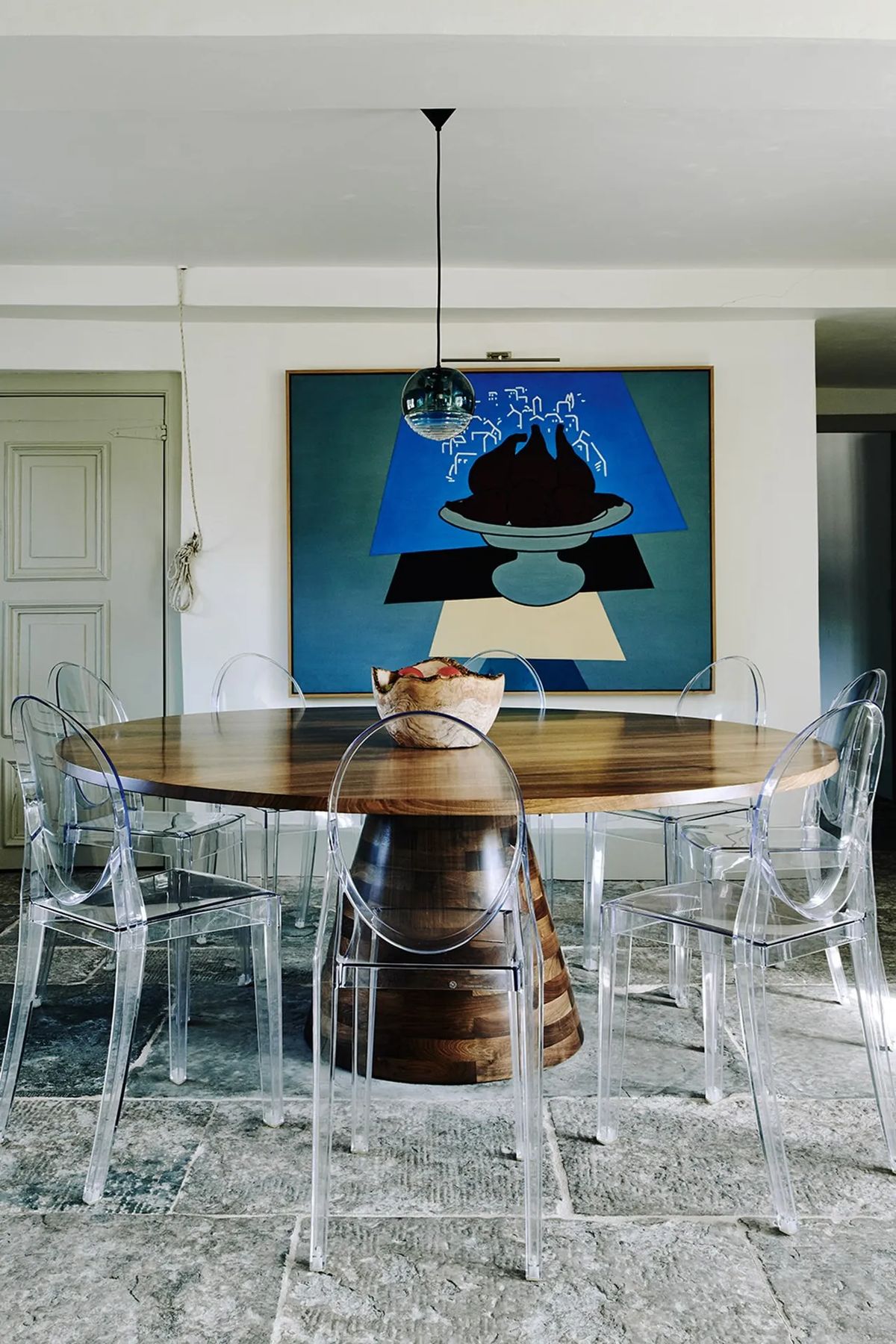
In the evolving landscape of contemporary interior design, the expectations for living spaces have gone far beyond basic functionality. Today, homeowners increasingly value visual aesthetics, spatial atmosphere, and personalized expression. Acrylic, as a material that combines technological sophistication with artistic appeal, has emerged as a key element in modern home design. With its transparency, lightness, and high plasticity, acrylic brings an unprecedented sense of modernity and futuristic elegance to interiors.
This article explores how acrylic furniture enhances modern living spaces through its material properties, visual aesthetics, spatial applications, functional advantages, and design integration strategies.
1. Overview and Development Background of Acrylic Material
Acrylic, scientifically known as polymethyl methacrylate (PMMA), is a high-performance thermoplastic material. One of its most notable characteristics is its exceptional transparency, with a light transmittance of over 92%, earning it the nickname “crystal of plastics.” Compared to traditional glass, acrylic is not only lighter but also significantly more impact-resistant, offering clear advantages in both safety and manufacturability.
Originally developed for use in the aerospace and optical industries—such as aircraft windows and instrument panels—acrylic has gradually expanded into advertising, commercial displays, and home furnishings as production technologies advanced and costs decreased. In recent years, with the rise of minimalist and modern design trends, acrylic has gained popularity among designers for its unique visual qualities.
Compared to traditional materials:
Versus wood: more resistant to moisture and deformation
Versus glass: safer and less prone to shattering
Versus metal: softer in appearance, reducing visual harshness
These qualities make acrylic an ideal bridge between functionality and aesthetics.
2. The Visual Aesthetic Value of Acrylic Furniture
Acrylic’s most compelling feature lies in its visual expressiveness. Its transparent or semi-transparent nature reduces visual barriers, significantly enhancing spatial openness.
First, acrylic improves the sense of spatial extension. In smaller homes or spaces with limited natural light, traditional furniture can feel bulky and oppressive. Acrylic furniture, by contrast, appears almost “invisible,” creating a more open and airy environment. This “presence without heaviness” is difficult to achieve with other materials.
Second, acrylic excels in light interaction. It reflects and refracts both natural and artificial light, producing rich layers of light and shadow. For example, under sunlight, acrylic surfaces emit a soft glow that adds vibrancy and artistic flair to the space.
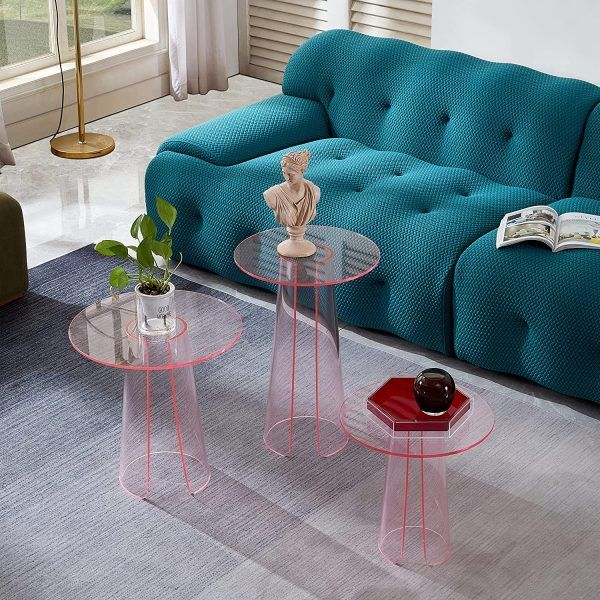
Additionally, acrylic offers strong color versatility. Through dyeing or coating processes, it can range from completely transparent to vividly colored finishes. This high level of customization allows it to adapt to various interior styles, including minimalist, light luxury, and futuristic designs.
3. Applications of Acrylic Furniture in Different Spaces
Acrylic furniture is highly versatile and can be integrated into virtually any area of the home.
In living rooms, acrylic coffee tables and display shelves are among the most popular choices. Transparent tables avoid blocking floor visuals and create layered effects when paired with rugs or flooring. Acrylic display units highlight decorative objects while maintaining a clean, uncluttered look.
In bedrooms, acrylic bedside tables and storage units are becoming increasingly popular. Compared to traditional wooden furniture, acrylic pieces feel lighter and contribute to a more relaxed and breathable atmosphere. Their moisture-resistant properties also enhance durability.
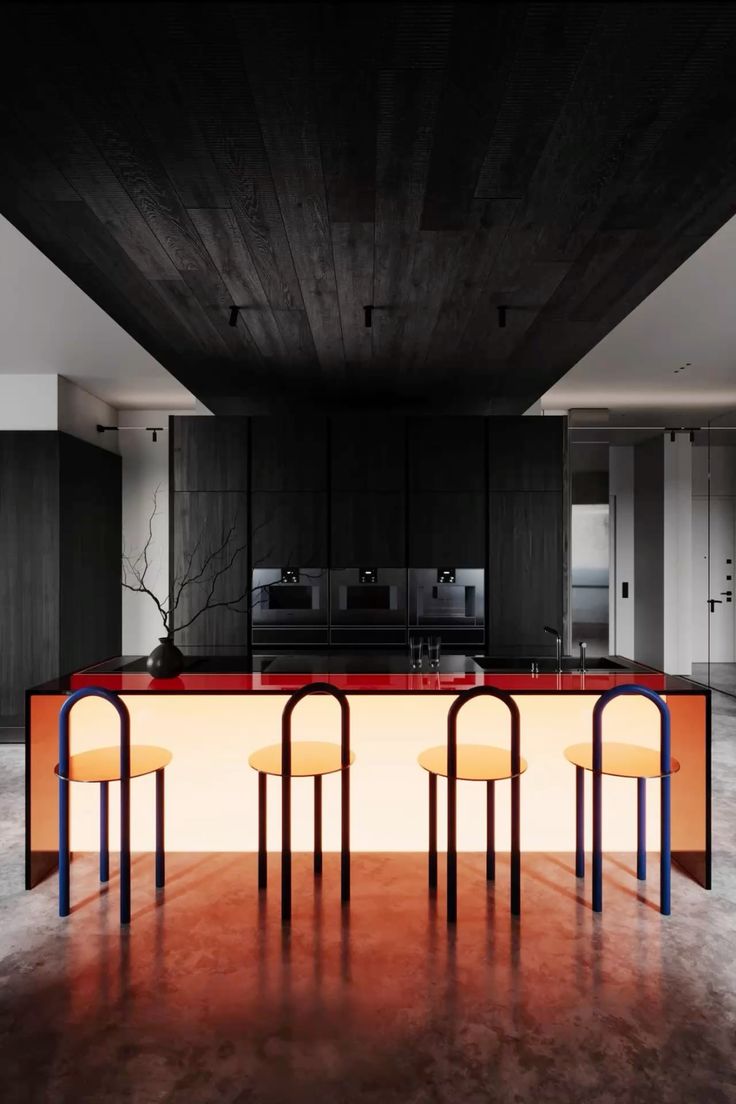
In dining areas and kitchens, acrylic dining chairs and bar stools stand out for their modern appearance and sculptural forms. Whether transparent or colored, they create striking contrasts with materials like metal or stone, enriching the spatial texture.
In office and commercial environments, acrylic is indispensable. From display cases to branded fixtures and partitions, it enhances the sense of technology and professionalism in a space.
4. Functional and Practical Advantages of Acrylic Furniture
Beyond aesthetics, acrylic offers excellent functional performance.
Its lightweight nature makes furniture easier to move and install, which is especially beneficial for flexible and dynamic living arrangements. Despite being lightweight, acrylic is highly durable and impact-resistant, reducing the risk of breakage and improving safety—particularly important in households with children or pets.
Acrylic also demonstrates strong weather resistance. It maintains stability under varying temperature and humidity conditions, minimizing risks of warping or cracking.
In terms of maintenance, acrylic furniture is easy to care for. Its smooth surface resists dust accumulation and can be cleaned بسهولة with a soft cloth, significantly reducing upkeep efforts.
5. Enhancing Modern Interiors with Acrylic Elements
To fully leverage acrylic’s advantages, thoughtful design and integration are essential.
In material pairing, acrylic works well with a variety of textures. Combined with metal, it enhances a futuristic aesthetic; paired with wood, it balances warmth and coolness; alongside textiles, it improves comfort and livability.
In spatial planning, acrylic’s transparency can be used to reduce visual clutter. For instance, using acrylic partitions in open-plan layouts allows functional zoning without sacrificing visual continuity.
Stylistically, acrylic is especially suitable for minimalist, modern luxury, and futuristic interiors. These styles emphasize clean lines and spatial purity—qualities that acrylic naturally reinforces.
6. Selection Tips and Future Trends of Acrylic Furniture
When selecting acrylic furniture, attention should be paid to material quality and craftsmanship. High-quality acrylic should be crystal-clear, free of bubbles and impurities, with smoothly polished edges to ensure both safety and visual appeal.
Environmental considerations are also increasingly important. As sustainability becomes a priority, more manufacturers are adopting eco-friendly production processes to reduce environmental impact.
Looking ahead, acrylic furniture is expected to evolve toward greater customization, premium design, and smart integration. As consumer demand for design sophistication grows, acrylic will continue to play a vital role in shaping the future of interior design.
Contact
LinkedIn: https://www.linkedin.com/in/adtender-zyra/?locale=zh_CN
Facebook: https://www.facebook.com/profile.php?id=61586259131631
Instagram: https://www.instagram.com/zzzzyyrraa4/
YouTube: https://www.youtube.com/@ZZZZyra-k7w
Office: (904) 258-3290
WhatsApp/Wechat: +86 18923188839
READ MORE:
Creating Personalized Home Spaces: The Diversity and Innovative Design of Acrylic Materials
How to Use Acrylic Materials to Enhance Brightness and Visual Layering in Home Spaces
Creating a Stylish Home: The Advantages and Matching Techniques of Acrylic Furniture
Stop Chasing Trends! The 'Anti-Trend' Home Décor Trends Revealed at the 2026 Milan Design Week
From the 2026 Milan Design Week: Design is No Longer Decoration, But a 'Lifestyle'
The Truth Behind the 2026 Milan Design Week: A Battle of Brands


