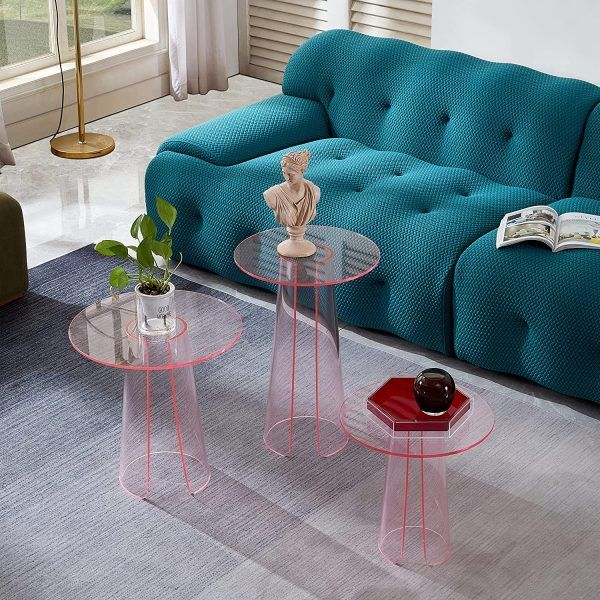
In today’s evolving interior design landscape, a “stylish home” is no longer just about decorative choices—it represents a comprehensive integration of aesthetics, functionality, and lifestyle. As a rising material in recent years, acrylic furniture has become a key element in modern home design due to its transparency, contemporary appeal, and high versatility. Whether optimizing small apartments or enhancing luxury residences, acrylic demonstrates unique charm and practical value.
This article explores acrylic furniture from multiple dimensions, including material advantages, aesthetic expression, spatial applications, and styling techniques, providing a comprehensive understanding of its role in modern interiors.
1. The Rise of Acrylic Furniture and Modern Home Trends
As living standards improve, interior design has shifted from purely functional to a balance between aesthetics and experience. Minimalism, modern style, and light luxury have become dominant trends, all emphasizing openness, clean lines, and refined materials.
Against this backdrop, acrylic furniture has rapidly gained popularity. Its transparent or semi-transparent nature aligns perfectly with the modern pursuit of spatial openness. At the same time, growing demand for personalization and uniqueness has made traditional wood and metal furniture less sufficient, while acrylic offers greater customization possibilities.
In addition, the influence of social media and visual culture has accelerated the popularity of “high-aesthetic-value homes.” Acrylic furniture, with its striking visual appeal, has become a favorite among designers and younger consumers.
2. Core Material Advantages of Acrylic Furniture
Acrylic furniture stands out due to its excellent physical properties.
First is its high transparency. With a light transmittance of over 92%, acrylic visually resembles glass while avoiding its heaviness and fragility. This makes it especially suitable for small spaces or areas requiring enhanced lighting.
Second is the balance between lightweight construction and high strength. Compared to glass, acrylic is lighter yet more impact-resistant, improving both safety and usability.
In terms of durability, acrylic performs well under various environmental conditions. It resists deformation caused by temperature or humidity changes and is suitable for diverse climates. Its smooth surface also resists dust accumulation, making cleaning and maintenance easy.
From an environmental perspective, high-quality acrylic is recyclable and can be produced with relatively low pollution, aligning with the principles of sustainable living.
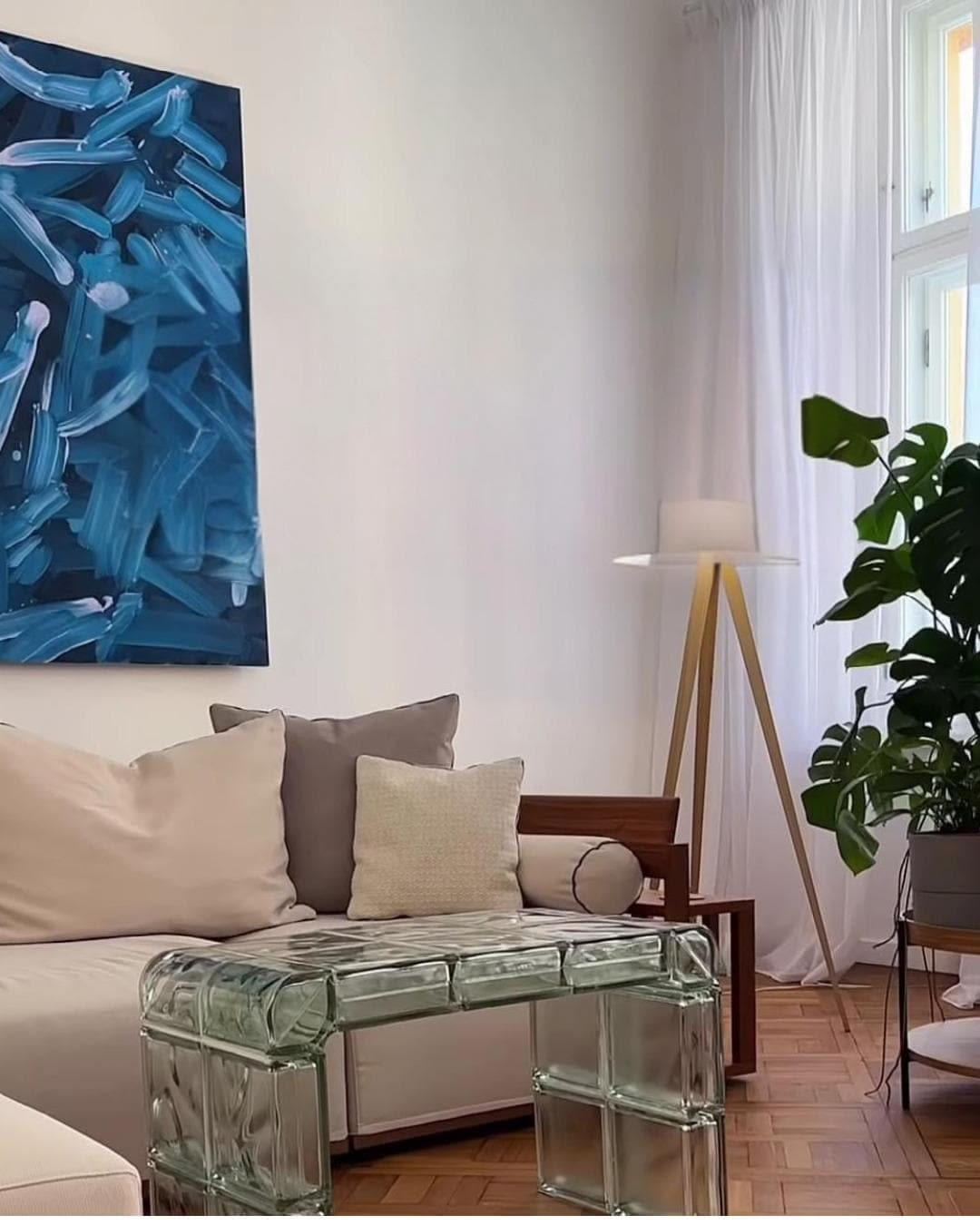
3. Visual Expression and Aesthetic Value of Acrylic Furniture
Acrylic furniture offers unique visual qualities that make it a powerful tool for creating stylish interiors.
One key concept is “invisible furniture.” Transparent pieces do not block sightlines, making spaces appear larger and more open—especially beneficial in compact homes.
Acrylic also enhances light interaction. It reflects and refracts both natural and artificial light, creating layered lighting effects. Under illumination, acrylic surfaces produce a soft glow that adds artistic depth to the environment.
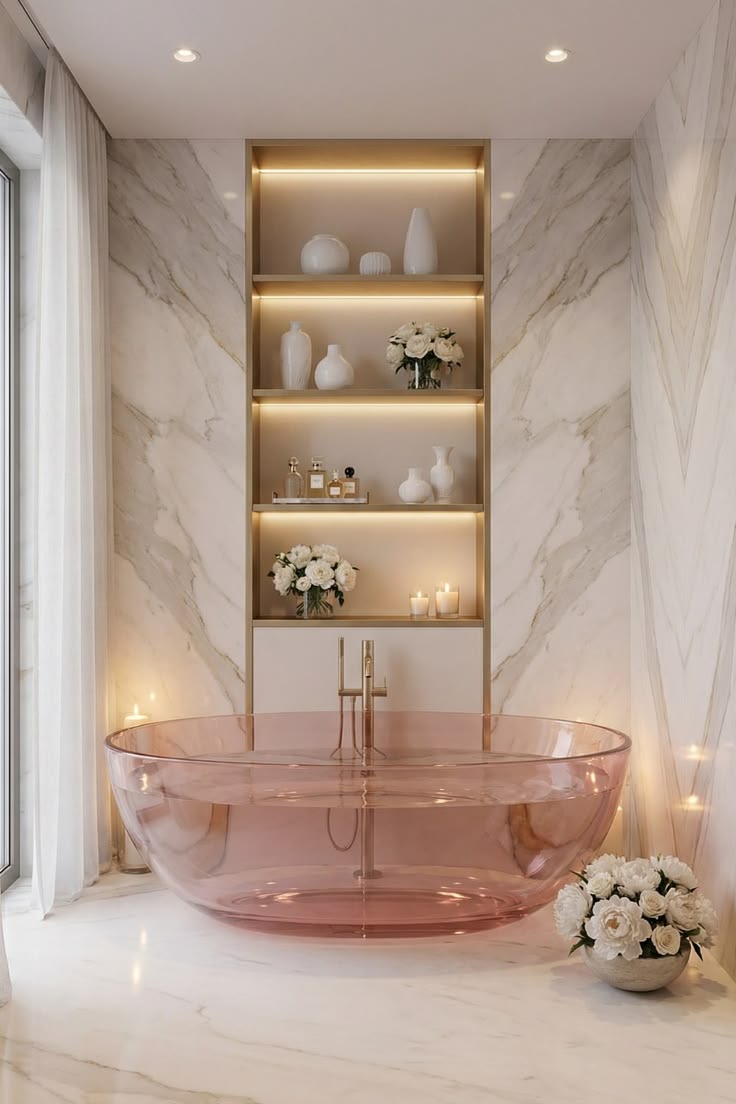
In terms of color and form, acrylic is highly flexible. It can be crafted into transparent, gradient, or vividly colored designs. Its moldability allows for fluid, curved, or geometric shapes, adding a strong sense of design to the space.
Whether in minimalist, modern luxury, or futuristic interiors, acrylic integrates seamlessly and often serves as a visual highlight.
4. Application Strategies in Different Spaces
Acrylic furniture can be adapted to various areas of the home with great flexibility.
In living rooms, acrylic coffee tables and side tables are popular choices. They provide functionality without occupying visual space, making the room feel cleaner and more open. Transparent display cabinets also highlight decorative items effectively.
In bedrooms, acrylic bedside tables and small storage units create a light and relaxing atmosphere. Their simplicity reduces visual clutter and enhances comfort.
In dining areas, acrylic chairs and bar stools add a modern touch. Their unique forms contrast well with materials like wood, metal, or stone, enriching spatial layers.
In offices and commercial spaces, acrylic is widely used for display stands, reception desks, and partitions, enhancing professionalism and a sense of modern technology.
5. Matching Techniques and Design Principles
To maximize the benefits of acrylic furniture, thoughtful coordination is essential.
In material pairing, acrylic works well with various textures. Combined with metal, it enhances a sleek, futuristic feel; paired with wood, it balances warmth and coolness; with textiles, it increases comfort.
In color coordination, transparent acrylic acts as a neutral element that complements any palette. Colored acrylic can serve as a focal point but should be used in moderation to avoid visual overload.
In spatial layout, acrylic’s transparency can reduce visual barriers. For example, acrylic partitions in open-plan layouts can divide spaces without disrupting continuity.
Stylistically, acrylic is particularly suitable for modern, light luxury, and futuristic interiors. When combined with lighting design, it can further enhance ambiance and depth.
6. Buying Guide and Future Trends
When purchasing acrylic furniture, material quality is crucial. High-quality acrylic should be clear, free of bubbles and impurities, and have smooth, polished edges for safety and aesthetics.
Structural design and craftsmanship are also important. Stability and load-bearing capacity should be carefully evaluated.
For maintenance, avoid scratching the surface with hard objects and clean regularly to maintain its appearance.
Looking ahead, acrylic furniture is moving toward greater customization and premium design. With the rise of smart homes, acrylic may also integrate with technology to create multifunctional furniture.
Sustainability will remain a key focus, with eco-friendly materials and low-carbon production processes driving further growth in the acrylic furniture market.
Contact
LinkedIn: https://www.linkedin.com/in/adtender-zyra/?locale=zh_CN
Facebook: https://www.facebook.com/profile.php?id=61586259131631
Instagram: https://www.instagram.com/zzzzyyrraa4/
YouTube: https://www.youtube.com/@ZZZZyra-k7w
Office: (904) 258-3290
WhatsApp/Wechat: +86 18923188839
READ MORE:
- Efficient Interior Renovation: How to Choose the Right Acrylic Products to Enhance Spatial Perception
- Creating Personalized Home Spaces: The Diversity and Innovative Design of Acrylic Materials
- How to Use Acrylic Materials to Enhance Brightness and Visual Layering in Home Spaces
- The Unique Charm of Acrylic Furniture: An Ideal Choice for Creating Modern Living Spaces
- After the 2026 Milan Design Week, You Should Know: Design is Not Just About 'Appearance,' But About 'Meaning'
- Stop Chasing Trends! The 'Anti-Trend' Home Décor Trends Revealed at the 2026 Milan Design Week
- The 2026 Milan Design Week Tells You: Great Products Depend Not Only on Design, But on the 'Story Behind Them'
- From the 2026 Milan Design Week: Design is No Longer Decoration, But a 'Lifestyle'
- The Truth Behind the 2026 Milan Design Week: A Battle of Brands


