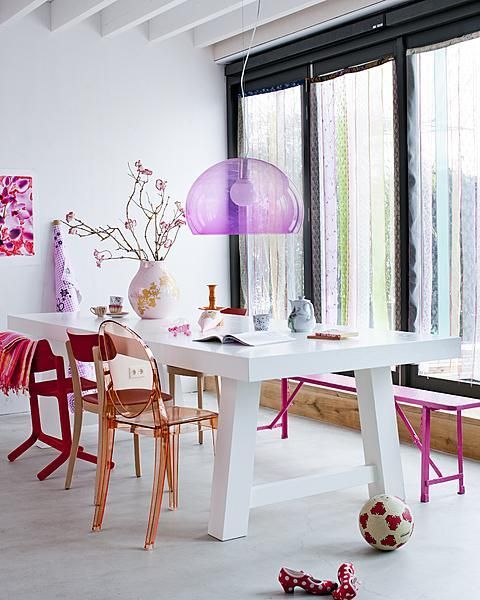
In contemporary interior design, the pursuit of spatial quality has evolved from basic functionality to a multidimensional experience. Among these, “brightness” and “visual layering” have become key indicators of a well-designed living environment. Especially in urban residences, where limited space and insufficient natural lighting are common challenges, finding effective design solutions is essential. Acrylic materials, with their outstanding optical properties and visual performance, are increasingly recognized as a powerful tool to address these issues.
This article explores how acrylic can be strategically used to improve brightness and create richer spatial layers through material characteristics, application methods, and design logic.
1. The Importance of Brightness and Spatial Layering in Home Design
Modern living environments emphasize not only comfort but also visual experience. A bright space can significantly enhance mood and well-being, while strong spatial layering adds depth and sophistication to interior design.
In reality, many homes suffer from inadequate natural lighting due to structural limitations such as poor orientation, small windows, or external obstructions. Additionally, excessive use of solid furniture or opaque partitions can further block light, making interiors feel cramped and heavy.
Therefore, material selection becomes a critical factor in improving spatial perception. Compared to traditional heavy materials, high-transparency materials can facilitate light flow and create a more open and inviting atmosphere.
2. Optical Properties of Acrylic Materials
Acrylic (PMMA) is renowned for its exceptional optical performance, with a light transmittance of over 92%, comparable to optical glass. This high transparency allows maximum transmission of natural light within a space.
In addition to transparency, acrylic exhibits excellent light refraction and diffusion properties. When light passes through or reflects off its surface, it creates a soft, evenly distributed illumination, reducing harsh contrasts between bright and dark areas.
Different types of acrylic offer varied visual effects:
Transparent acrylic: maximizes brightness and openness
Semi-transparent acrylic: balances light transmission with privacy
Frosted acrylic: diffuses light for a softer, more comfortable ambiance
Compared to glass, acrylic is lighter and more impact-resistant. Compared to mirrors, it provides gentler reflections, making it more suitable for long-term residential use.
3. Applications of Acrylic in Enhancing Spatial Brightness
Acrylic can be applied in multiple ways to improve interior brightness.
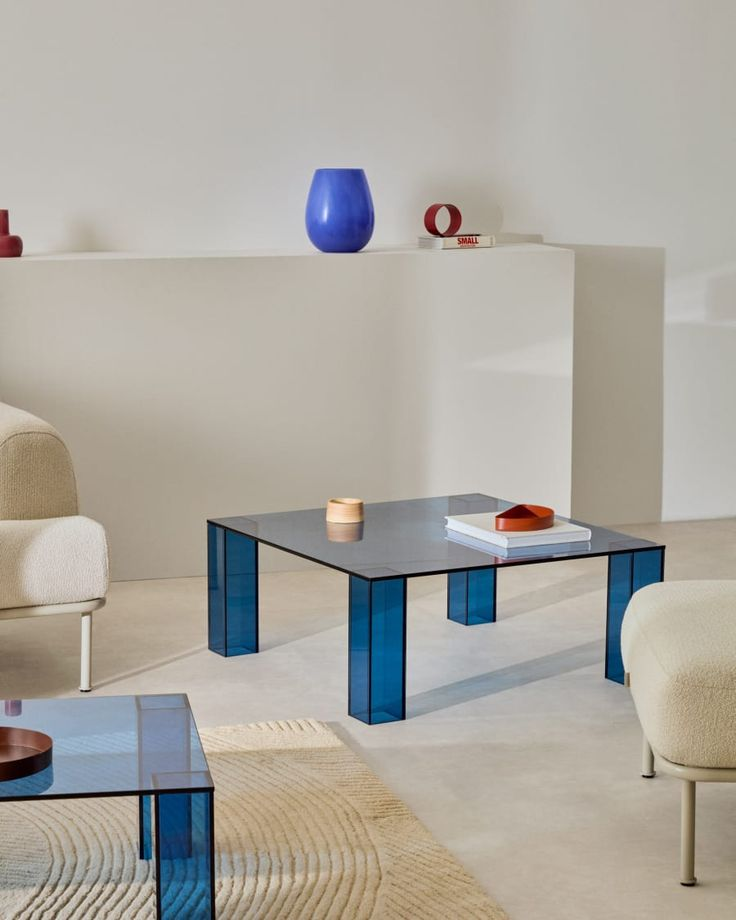
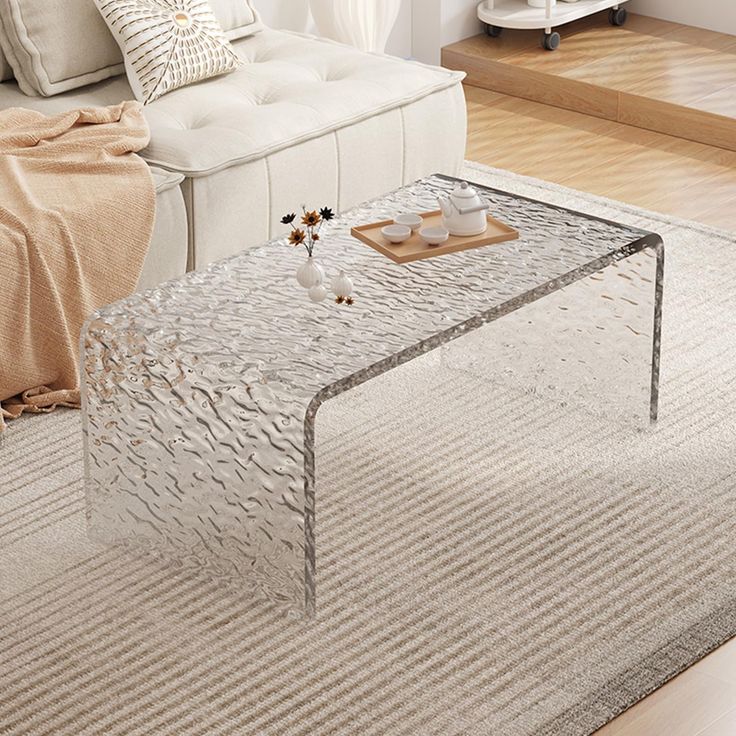
One of the most direct methods is the use of transparent furniture. Acrylic coffee tables, chairs, and side tables minimize visual obstruction, allowing light to pass freely through the space. This is particularly effective in small apartments, where maximizing brightness is essential.
Acrylic also plays an important role in lighting design. For example, acrylic lampshades or light panels can diffuse light evenly, reducing glare and enhancing overall illumination quality.
In spatial zoning, acrylic partitions are an ideal solution. Unlike solid walls or wooden dividers, acrylic partitions maintain functional separation while allowing light to flow uninterrupted, preserving spatial continuity.
For compact spaces, reducing visual barriers and incorporating transparent materials can create a “visual expansion” effect, making the area appear larger and brighter.
4. Design Logic for Enhancing Spatial Layering with Acrylic
Beyond brightness, acrylic is highly effective in creating visual depth and layering.
Its inherent transparency allows for visual penetration, enabling multiple spatial layers to be perceived simultaneously. This overlapping effect enhances depth and spatial richness.
Combining materials with different levels of transparency further strengthens layering. For instance, pairing clear acrylic with frosted acrylic creates gradual visual transitions.
Light interaction also plays a key role. Acrylic’s reflective and refractive qualities produce dynamic lighting effects that change throughout the day, adding movement and depth to the space.
Additionally, integrating acrylic with mirrors, glass, or metal introduces multidimensional contrast. Mirrors enhance depth, metals add texture and sophistication, while acrylic serves as a transitional element that ties these materials together.
5. Matching Techniques and Overall Design Strategies
To fully utilize acrylic’s advantages, thoughtful coordination is essential.
In material pairing, acrylic works well with wood, textiles, and metal. Wood introduces warmth, preventing the space from feeling too cold; textiles enhance comfort; metal emphasizes a modern and technological aesthetic.
In terms of color, transparent acrylic is highly versatile and can blend seamlessly into any palette. Colored acrylic, on the other hand, can serve as an accent element, adding vibrancy and visual interest.
Application strategies vary by space:
Living room: use transparent furniture to enhance openness
Bedroom: incorporate frosted acrylic for a softer, more relaxing atmosphere
Dining area: introduce colored acrylic elements to increase energy and layering
It is important to control the proportion of acrylic usage to avoid an overly uniform or cold appearance.
6. Practical Considerations and Future Trends
While acrylic offers many advantages, proper usage is essential.
Avoid excessive use of transparent materials across large areas, as this may reduce focal points within the space. A balanced combination with other materials is recommended.
Acrylic surfaces are prone to scratches, so care should be taken during use and cleaning. Soft cloths and gentle cleaning methods are advised.
When purchasing, prioritize high-quality acrylic products with excellent clarity, no impurities, and smooth edges to ensure safety and durability.
Looking ahead, transparent materials are expected to play an increasingly important role in interior design. With technological advancements, acrylic will continue to evolve toward greater sustainability, functionality, and smart integration—such as combining with intelligent lighting systems to create interactive environments.
Contact
LinkedIn: https://www.linkedin.com/in/adtender-zyra/?locale=zh_CN
Facebook: https://www.facebook.com/profile.php?id=61586259131631
Instagram: https://www.instagram.com/zzzzyyrraa4/
YouTube: https://www.youtube.com/@ZZZZyra-k7w
Office: (904) 258-3290
WhatsApp/Wechat: +86 18923188839
READ MORE:
- Efficient Interior Renovation: How to Choose the Right Acrylic Products to Enhance Spatial Perception
- Creating Personalized Home Spaces: The Diversity and Innovative Design of Acrylic Materials
- Creating a Stylish Home: The Advantages and Matching Techniques of Acrylic Furniture
- The Unique Charm of Acrylic Furniture: An Ideal Choice for Creating Modern Living Spaces
- After the 2026 Milan Design Week, You Should Know: Design is Not Just About 'Appearance,' But About 'Meaning'
- Stop Chasing Trends! The 'Anti-Trend' Home Décor Trends Revealed at the 2026 Milan Design Week
- The 2026 Milan Design Week Tells You: Great Products Depend Not Only on Design, But on the 'Story Behind Them'
- From the 2026 Milan Design Week: Design is No Longer Decoration, But a 'Lifestyle'
- The Truth Behind the 2026 Milan Design Week: A Battle of Brands


