In the context of increasingly diverse and personalized interior design, the era of uniform, standardized home styles is gradually fading. Consumers are no longer satisfied with generic products; instead, they seek living spaces that reflect their personal aesthetics and lifestyle. Within this trend, material selection and innovation have become the driving force of design. Among various materials, acrylic stands out due to its high plasticity, diverse visual expressions, and unique aesthetic qualities, making it an essential medium for creating personalized interiors.
This article explores the diversity, applications, and future potential of acrylic materials in personalized home design.
1. The Evolution of Personalized Home Design Trends
As consumer awareness and aesthetic expectations continue to rise, home design is shifting from a purely functional approach to one that emphasizes emotional expression and identity. Personalization is no longer just decorative variation—it represents a combination of lifestyle, cultural identity, and aesthetic preference.
On one hand, younger consumers increasingly favor customized and distinctive products, using interior spaces to express styles such as minimalism, artistic design, futuristic aesthetics, or light luxury. On the other hand, advancements in digital design and manufacturing technologies have significantly reduced the cost of customization, making personalized design more accessible.
In this context, traditional materials with limited expressive capabilities are becoming less competitive, while flexible materials like acrylic are emerging as key tools for innovation.
2. The Diversity of Acrylic Materials
One of acrylic’s greatest strengths lies in its versatility, which is reflected in its visual, structural, and technical characteristics.
Visually, acrylic can appear in transparent, semi-transparent, or frosted forms. Transparent acrylic enhances openness, semi-transparent versions balance light and privacy, while frosted finishes create a soft and diffused ambiance.
In terms of color, acrylic offers exceptional flexibility. Through dyeing, layering, or gradient techniques, it can achieve a wide spectrum of effects—from subtle tones to bold, high-contrast visuals—meeting diverse design needs.
Structurally, acrylic can be shaped through processes such as heat bending, cutting, and engraving. This allows for complex forms, including curved surfaces, geometric compositions, and sculptural designs, giving designers significant creative freedom.
Compared to glass, acrylic is lighter and safer; compared to standard plastics, it offers superior clarity and a more premium appearance. This balance between aesthetics and functionality makes it highly valuable in modern design.
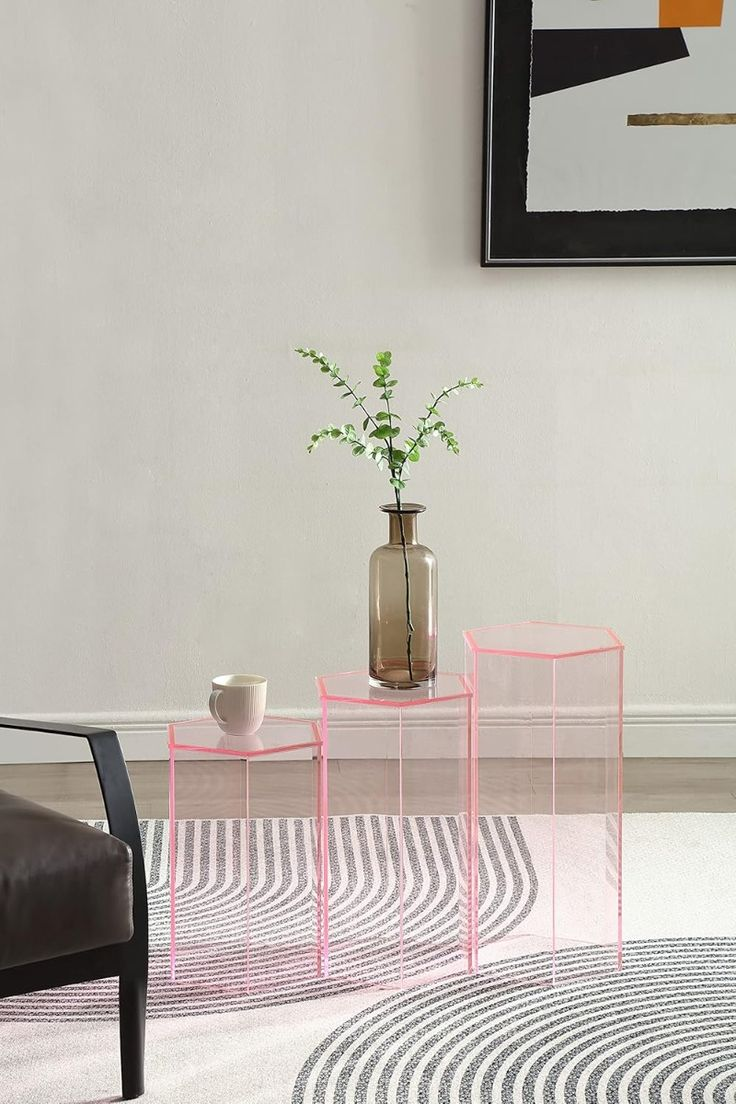
3. Applications of Acrylic in Personalized Furniture Design
In furniture design, acrylic opens up vast possibilities for personalization.
Custom furniture is one of its most prominent applications. Acrylic coffee tables, chairs, and storage units can be tailored in size, color, and form to meet individual preferences. For example, a transparent coffee table with colored edges can maintain openness while adding visual interest.
Modular design is another growing trend. Acrylic components can be assembled and reconfigured based on changing spatial needs, offering flexibility and adaptability.
Acrylic is also widely used in artistic furniture design. Designers often create sculptural pieces that function both as furniture and as art installations, enhancing the uniqueness of a space.
In high-end customization, acrylic is frequently combined with lighting and metal elements to create visually striking, one-of-a-kind furniture that reflects strong individuality and design value.
4. Innovative Applications of Acrylic in Interior Decoration
Beyond furniture, acrylic plays a significant role in interior decoration.
In wall design, acrylic panels can be used as decorative surfaces or artistic installations. Layered transparent panels can create depth and three-dimensional effects, enhancing visual impact.
In lighting design, acrylic’s excellent light-guiding properties allow it to work seamlessly with LED systems, producing soft, layered lighting effects that enrich the ambiance.
For spatial division, acrylic partitions and screens provide both functionality and aesthetics. Their transparency maintains visual continuity while defining different zones.
Additionally, design concepts from commercial spaces—such as display systems and brand presentation techniques—are increasingly being incorporated into residential interiors through acrylic, adding a gallery-like or showroom quality to living spaces.
5. Matching Strategies and Design Principles
To achieve effective personalization, thoughtful design strategies are essential when using acrylic.
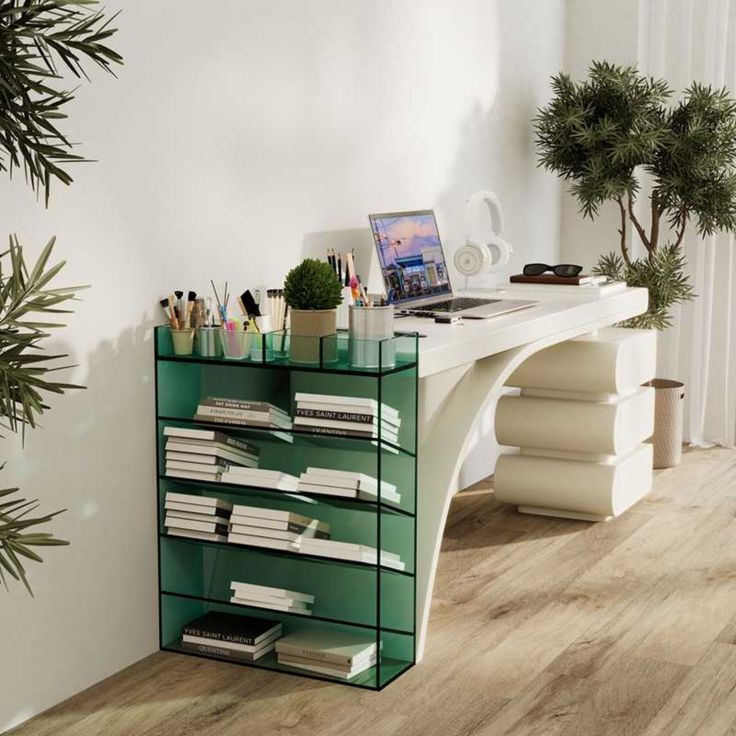
In material combinations, acrylic pairs well with wood, metal, and glass. Wood adds warmth, metal enhances modernity, glass reinforces transparency, and acrylic serves as a connecting element that balances these materials.
In color coordination, transparent acrylic acts as a neutral base, while colored acrylic should be used strategically as an accent to create focal points.
In terms of style, acrylic is highly adaptable. It fits seamlessly into modern minimalist interiors, enhances light luxury aesthetics, and plays a central role in futuristic or artistic designs.
At the same time, spatial proportion and visual balance must be carefully controlled. Overuse of transparent materials can reduce focal points, so it is important to incorporate contrasting elements.
6. Future Trends and Design Innovation Directions
With continuous advancements in technology and design concepts, the role of acrylic in interior design will continue to expand.
Digital manufacturing technologies, such as CNC processing and 3D modeling, are driving the growth of personalized customization, making complex designs more feasible.
Sustainability is also becoming a key focus. Future developments in acrylic materials will emphasize recyclability and environmentally friendly production processes.
Moreover, the integration of acrylic with smart home technology holds great potential. For instance, combining acrylic with intelligent lighting systems can create dynamic and interactive visual experiences.
Overall, future interior design will increasingly rely on material innovation. Acrylic, with its balance of functionality and aesthetics, will remain a vital element in personalized home design.
Contact
LinkedIn: https://www.linkedin.com/in/adtender-zyra/?locale=zh_CN
Facebook: https://www.facebook.com/profile.php?id=61586259131631
Instagram: https://www.instagram.com/zzzzyyrraa4/
YouTube: https://www.youtube.com/@ZZZZyra-k7w
Office: (904) 258-3290
WhatsApp/Wechat: +86 18923188839


