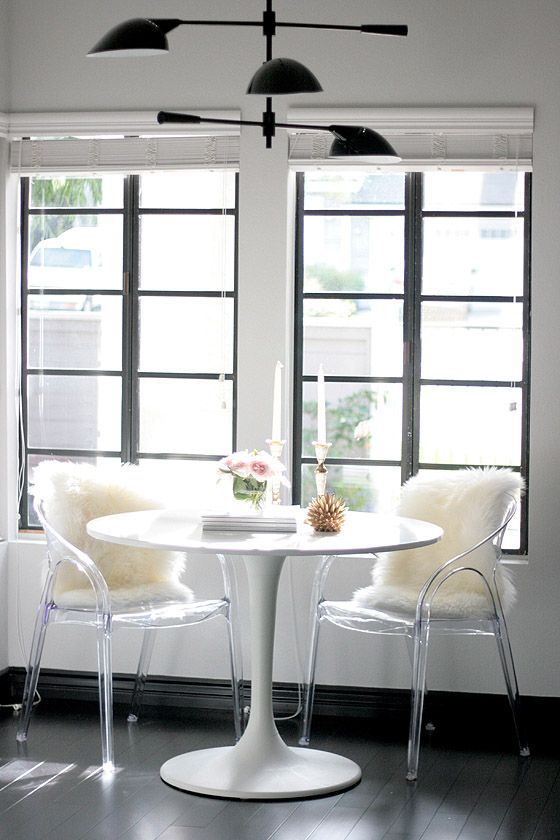
In today’s urban living environments, space has become an increasingly scarce resource, making efficient interior renovation a key trend in home design. “Efficiency” is no longer limited to construction timelines and cost control—it also involves maximizing spatial value and improving visual experience through smart design and material selection. Among these, enhancing the sense of space is particularly important, and acrylic products, with their transparency and versatility, have become an effective solution for spatial optimization.
This article explores how to achieve efficient renovation and improved spatial perception through the strategic use of acrylic products, focusing on material properties, product selection, and design strategies.
1. Core Concepts of Efficient Interior Renovation and the Importance of Spatial Perception
The essence of efficient interior renovation lies in achieving maximum spatial value with minimal cost. This includes not only budget and time efficiency but also improving the quality of the living environment through thoughtful design.
In modern homes, spatial perception plays a crucial role in overall comfort. A well-designed space typically feels open, well-lit, and functionally organized. However, many homes suffer from common issues such as overcrowding, insufficient lighting, and poor furniture layout, all of which reduce spatial quality.
Material selection is therefore critical. Different materials influence how light travels and how space is perceived. Compared to heavy, opaque materials, transparent materials help create openness—and acrylic is one of the most effective options.
2. Properties and Advantages of Acrylic in Interior Renovation
Acrylic (PMMA) is a high-performance transparent material with a light transmittance of over 92%. It offers a glass-like appearance while being lighter and more durable, making it highly suitable for interior applications.
Its primary advantage is transparency. Acrylic allows light to pass through easily, brightening interiors and enhancing openness.
It is also lightweight and impact-resistant, making it safer and easier to install than glass. This makes it particularly practical for residential use.
In addition, acrylic is highly versatile in processing. It can be cut, bent, engraved, and molded into various shapes, allowing for diverse design possibilities.
Compared to wood and metal, acrylic appears lighter and more modern; compared to glass, it is safer and more flexible. These qualities make it a competitive material in contemporary interior design.
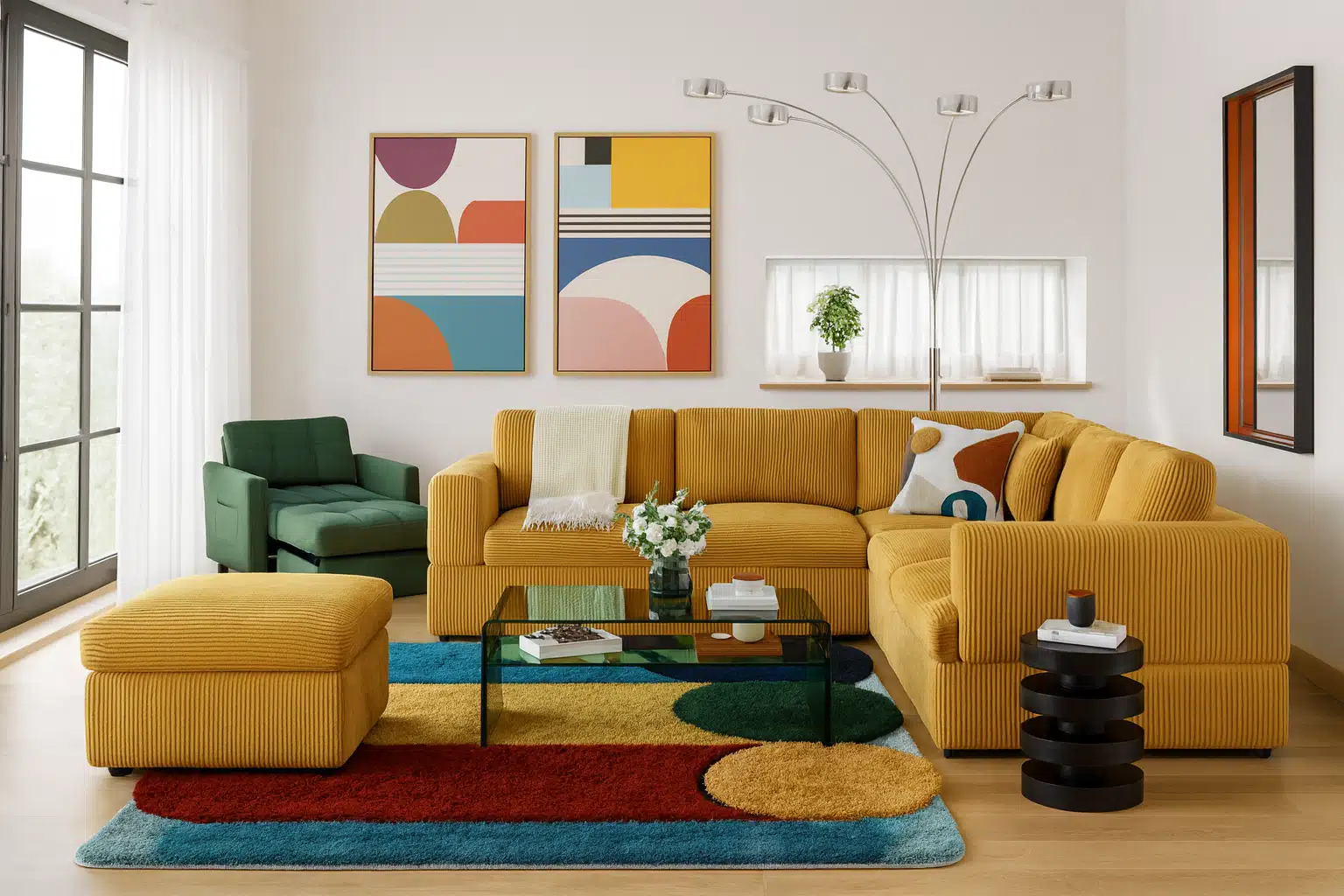
3. Types of Acrylic Products and Their Characteristics
Acrylic products come in a wide variety of forms, each suited to different applications.
By material type:
Transparent acrylic: enhances openness and brightness
Semi-transparent acrylic: balances light and privacy
Frosted acrylic: creates a soft, diffused lighting effect
By product category:
Furniture: acrylic coffee tables, chairs, storage units that reduce visual weight
Decorative elements: wall panels and art installations that enhance design appeal
Functional elements: partitions, lighting fixtures, and display racks for spatial organization
With the rise of customization, acrylic products are increasingly modular and tailored, making them adaptable to different spatial requirements.
4. Choosing Acrylic Products Based on Different Spaces
Selecting the right acrylic products depends on the function of each space.
In living rooms, transparent or semi-transparent furniture such as coffee tables and side tables can reduce visual obstruction and enhance openness.
In bedrooms, frosted or semi-transparent acrylic is more suitable, as it provides softer lighting and greater privacy—ideal for bedside furniture or partitions.
In dining areas and kitchens, acrylic furniture and decor improve brightness while offering easy maintenance, making them practical for daily use.
For small apartments, minimizing solid barriers is essential. Transparent furniture and partitions can create a “visual expansion” effect, making the space feel larger.
In office or commercial settings, acrylic display units and partitions contribute to a modern, professional atmosphere.
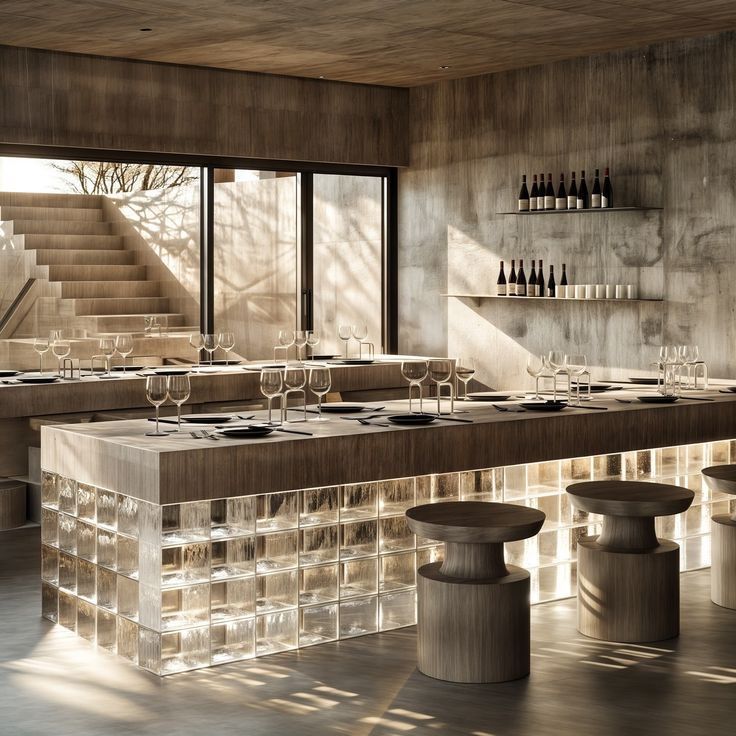
5. Matching Techniques and Design Principles
Choosing the right products is only part of the process—effective coordination is equally important.
In material combinations, acrylic pairs well with wood, metal, and glass. Wood adds warmth, metal enhances modern aesthetics, and acrylic introduces transparency.
In color design, clear acrylic serves as a neutral base, while colored acrylic can be used as an accent to create focal points.
In spatial layout, reducing unnecessary barriers allows light to flow freely, enhancing openness.
Lighting design is also essential. Combining acrylic with lighting elements can create soft, diffused illumination and add depth to the space.
However, overuse should be avoided, as excessive acrylic may result in a space that feels cold or lacks visual focus.
6. Selection Tips and Future Trends
When purchasing acrylic products, key factors include clarity, absence of bubbles or impurities, smooth edges, and structural stability.
During use, avoid scratching the surface with hard objects and clean regularly to maintain its appearance.
Although acrylic may be more expensive than some traditional materials, its benefits in spatial enhancement and design flexibility make it a cost-effective choice.
Looking ahead, acrylic is expected to evolve toward more sustainable and environmentally friendly production. It will also increasingly integrate with smart home systems, such as intelligent lighting, to create interactive environments.
Overall, acrylic will continue to play a vital role in efficient interior renovation, bridging functionality and aesthetics.
Contact
LinkedIn: https://www.linkedin.com/in/adtender-zyra/?locale=zh_CN
Facebook: https://www.facebook.com/profile.php?id=61586259131631
Instagram: https://www.instagram.com/zzzzyyrraa4/
YouTube: https://www.youtube.com/@ZZZZyra-k7w
Office: (904) 258-3290
WhatsApp/Wechat: +86 18923188839
READ MORE:
- Creating Personalized Home Spaces: The Diversity and Innovative Design of Acrylic Materials
- How to Use Acrylic Materials to Enhance Brightness and Visual Layering in Home Spaces
- Creating a Stylish Home: The Advantages and Matching Techniques of Acrylic Furniture
- The Unique Charm of Acrylic Furniture: An Ideal Choice for Creating Modern Living Spaces
- After the 2026 Milan Design Week, You Should Know: Design is Not Just About 'Appearance,' But About 'Meaning'
- Stop Chasing Trends! The 'Anti-Trend' Home Décor Trends Revealed at the 2026 Milan Design Week
- The 2026 Milan Design Week Tells You: Great Products Depend Not Only on Design, But on the 'Story Behind Them'
- From the 2026 Milan Design Week: Design is No Longer Decoration, But a 'Lifestyle'
- The Truth Behind the 2026 Milan Design Week: A Battle of Brands


