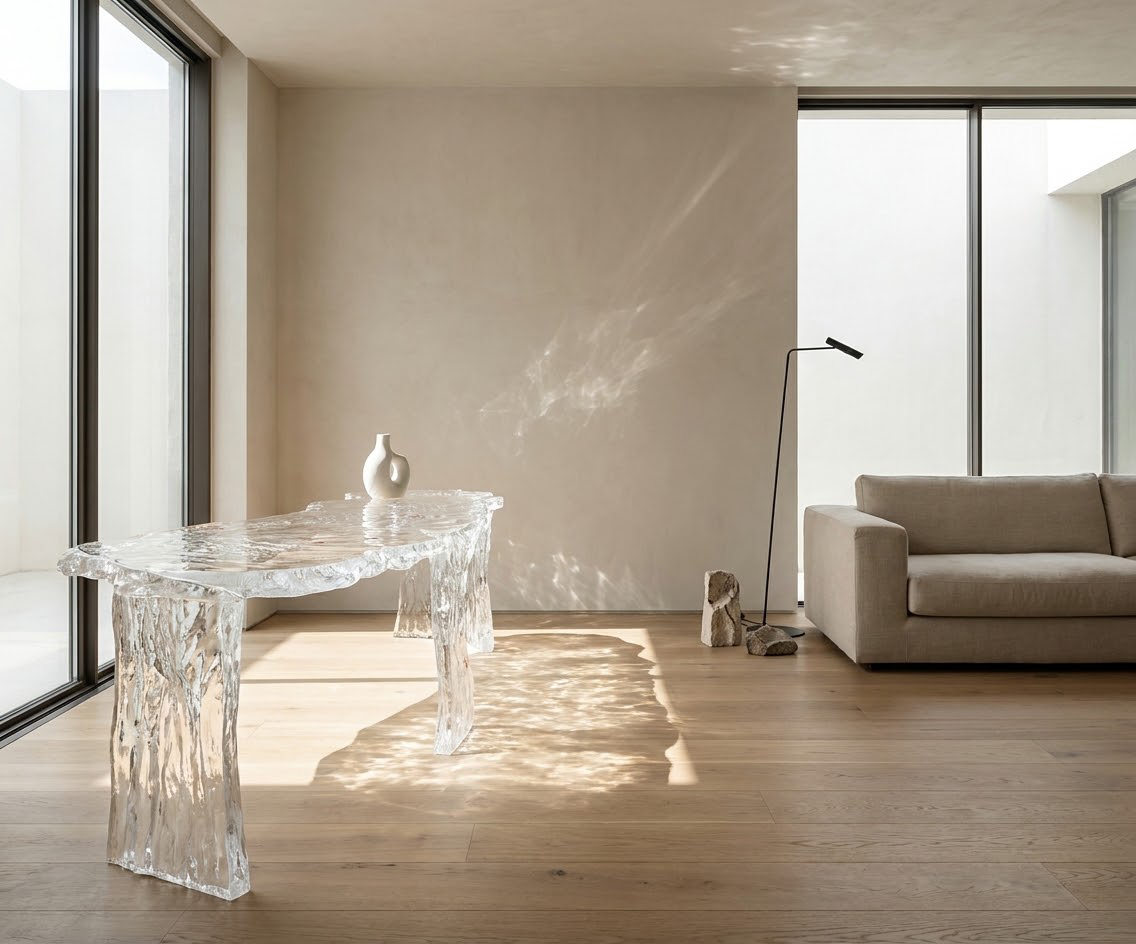
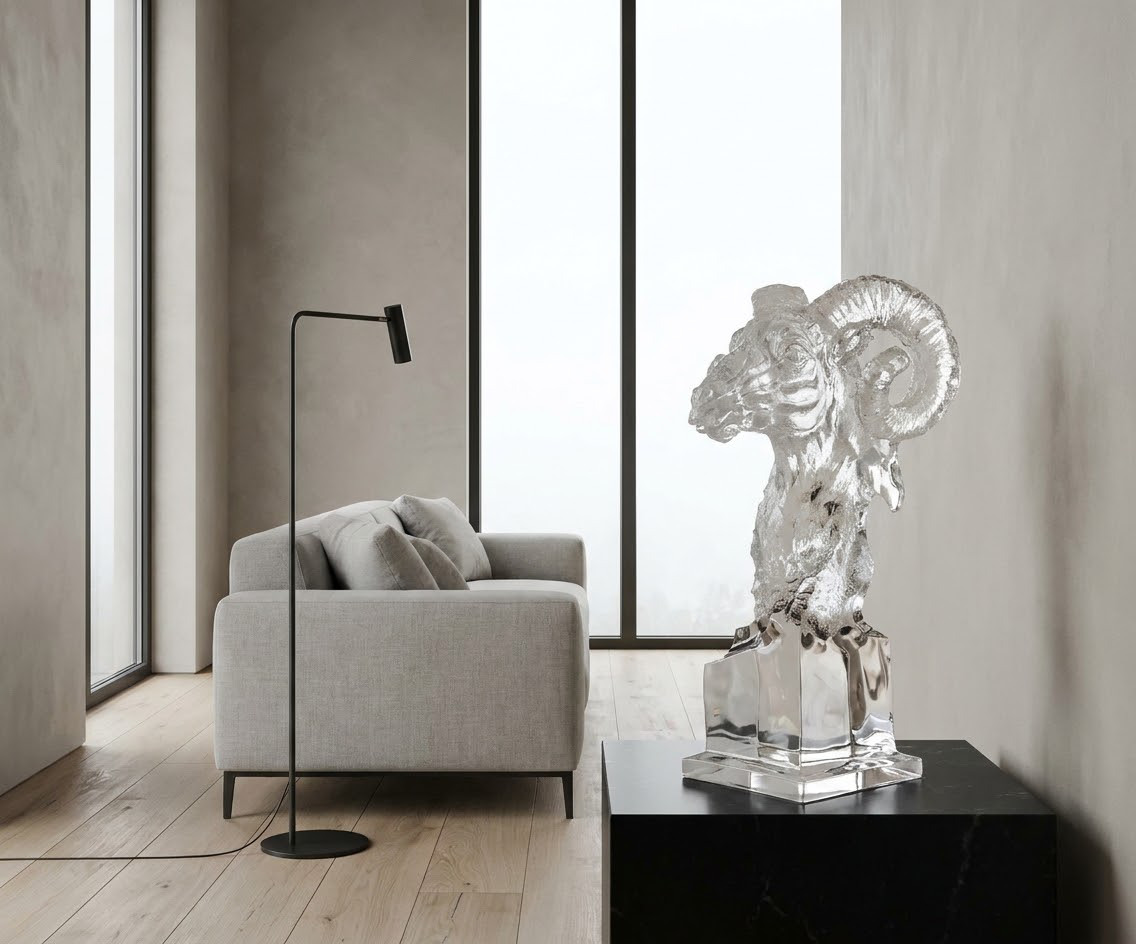
Synthetic crystal furniture has emerged as a transformative material in high-end retail design, bridging functional furniture and immersive brand spatial identity. For interior designers and retail strategists, this material offers unprecedented versatility in creating memorable luxury experiences. This guide explores actionable application strategies for integrating synthetic crystal pieces into premium retail environments, from product selection to long-term brand alignment.
1. Material Properties That Make Synthetic Crystal Furniture Ideal for Luxury Retail
Synthetic crystal furniture delivers a unique combination of aesthetic appeal and functional performance that natural crystal cannot match at scale. For high-traffic retail spaces, these properties directly translate to lower long-term costs and consistent brand presentation.
1.1 Core Performance Advantages Over Natural Alternatives
Unlike natural crystal, which often has internal flaws and inconsistent clarity, synthetic crystal furniture is engineered for uniform quality. Key performance metrics include:
High surface hardness (Mohs 6.5-7), resisting scratches from daily customer interaction
30% higher light transmittance than premium glass, creating luminous visual effects
Customizable color, opacity, and embedded elements for brand-specific designs
Lower weight than natural crystal, enabling larger furniture pieces without structural risks
1.2 High-Purity Optical-Grade Materials for Premium Visual Impact
The highest tier of synthetic crystal furniture uses high-purity optical-grade materials, originally developed for precision optics and aerospace applications. In retail settings, this material grade creates:
Flawless light refraction that enhances product displays (especially for jewelry, watches, and cosmetics)
Zero yellowing over 10+ years of UV exposure, maintaining brand visual consistency
Ability to integrate LED lighting directly within furniture structures for dynamic effects
Hypoallergenic and non-porous surface, ideal for beauty and skincare retail environments
2. Key Synthetic Crystal Furniture Pieces for Retail Space Design
When curating furniture for high-end retail, selecting the right pieces ensures both functional utility and brand narrative alignment. Interior designers often start with focal pieces before expanding to supporting fixtures.
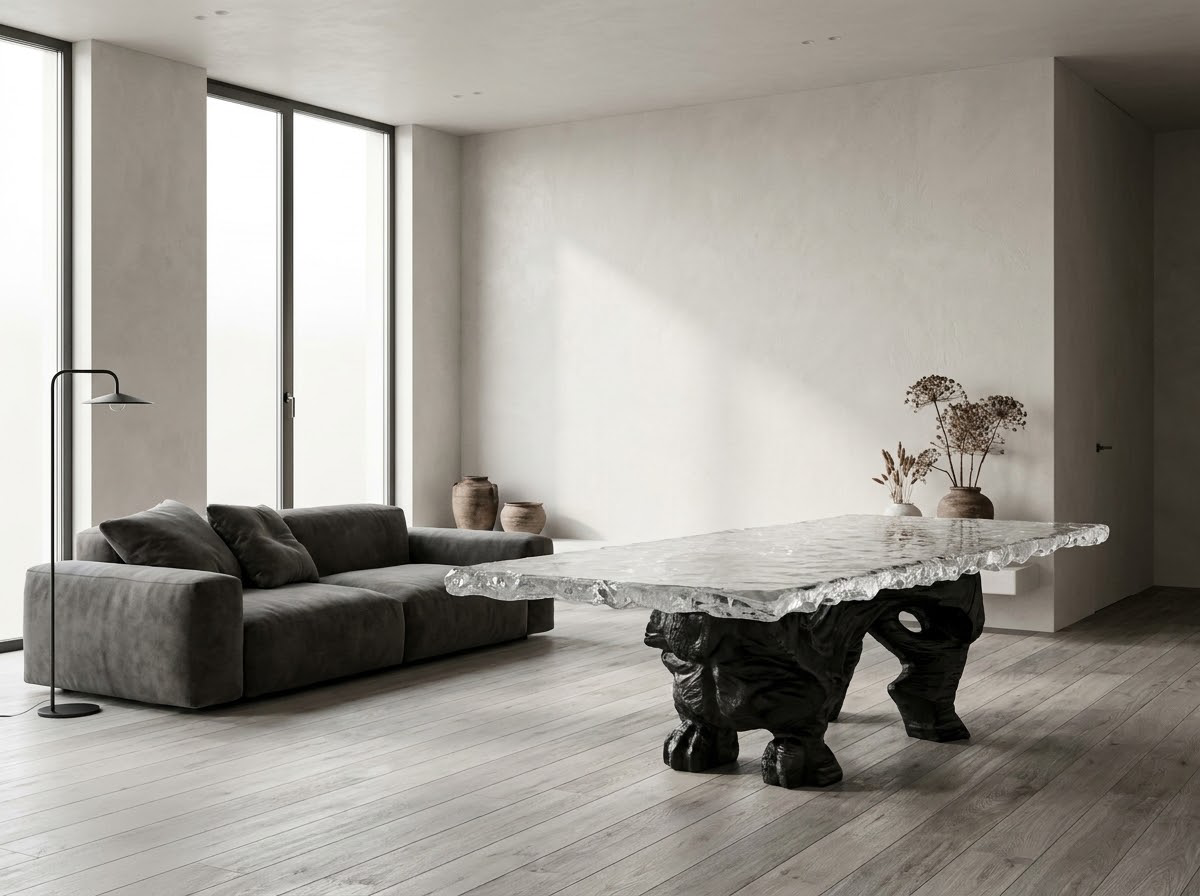
2.1 Synthetic Crystal Tables: Focal Points for Product Display
Synthetic crystal tables serve as the centerpiece of retail floor plans, drawing customer attention to featured products. Common retail applications include:
Display tables for luxury accessories, with embedded brand logos or patterns
Cash wrap counters that reinforce premium brand perception at checkout
Consultation tables in VIP areas, paired with soft seating for client meetings
Window display pedestals that maximize natural light refraction for street-side visibility
For example, a 2023 Milan luxury jewelry boutique installed a 3-meter synthetic crystal display table, resulting in a 27% increase in customer dwell time in the featured product zone.
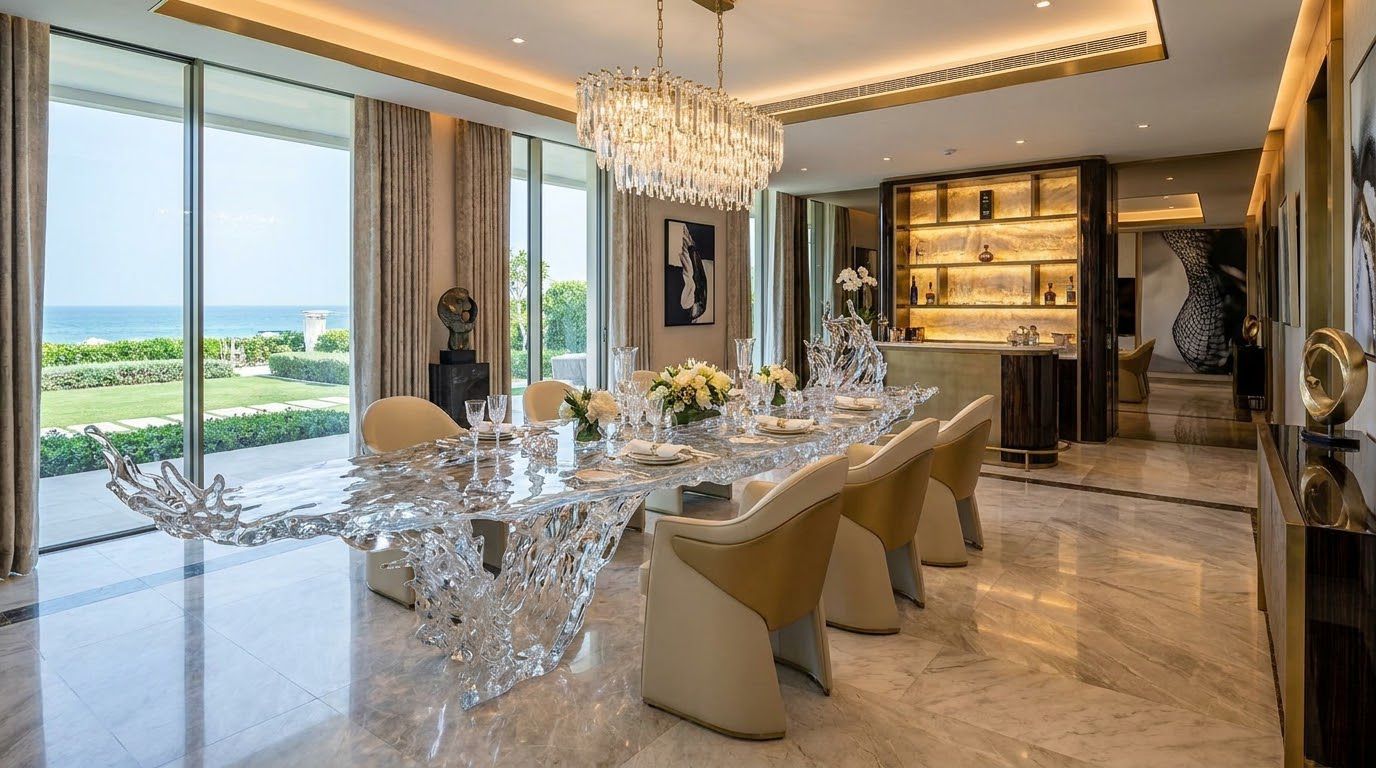
2.2 Synthetic Crystal Chairs: Balancing Luxury and Ergonomics
While often overlooked, synthetic crystal chairs play a critical role in shaping customer perception of comfort and exclusivity. Modern designs address historical ergonomic limitations through:
Curved seat structures engineered for 2+ hours of comfortable seating
Reinforced leg designs that support up to 150kg while maintaining a delicate appearance
Custom upholstery options (leather, velvet) that complement crystal structures
Stackable designs for pop-up retail and event spaces
Artificial crystal furniture pieces like these are particularly popular in high-end beauty retail, where they create a "jewel-like" atmosphere that aligns with premium product positioning.
3. Strategies for Integrating Synthetic Crystal Furniture Into Brand Spatial Identity
Successful integration goes beyond placing furniture in a space—it requires aligning every piece with the brand’s core identity and customer journey. Top retail design firms follow these structured strategies.
3.1 Aligning Material Aesthetics With Brand Personality
Different finishes and forms of synthetic crystal furniture convey distinct brand personalities. Interior designers should match material treatments to brand positioning:
Ultra-luxury heritage brands: Frosted or hand-carved crystal pieces with classic silhouettes
Contemporary designer brands: Clear, geometric crystal with sharp angles and LED integration
Sustainable luxury brands: Recycled synthetic crystal with visible material texture
Tech-integrated luxury: Crystal with embedded digital displays or touch-sensitive surfaces
A 2024 luxury retail design survey found that 68% of high-end brands plan to increase use of custom synthetic crystal fixtures to differentiate their physical spaces from competitors.
3.2 Creating Hierarchical Visual Flow Through Furniture Placement
Synthetic crystal furniture’s light-refractive properties make it ideal for guiding customer movement through retail spaces. Effective placement strategies include:
Place a large crystal table at the store entrance to create an immediate "wow" effect
Use smaller crystal pedestals along the main traffic path to highlight seasonal products
Position crystal seating in the rear VIP area to reward deeper store exploration
Install crystal display shelves at eye level to draw focus to high-margin products
4. Practical Considerations for Long-Term Retail Implementation
While aesthetic impact is critical, long-term functionality and maintenance determine the true ROI of synthetic crystal furniture investments. Retail operators should evaluate these factors before installation.
4.1 Durability and Maintenance for High-Traffic Environments
The high surface hardness of synthetic crystal furniture makes it suitable for high-traffic retail, but proper maintenance preserves its appearance for decades. Key maintenance best practices:
Use microfiber cloths and pH-neutral cleaners to avoid surface damage
Apply annual protective coatings to reduce fingerprint accumulation
Implement furniture moving protocols to prevent chipping during floor plan updates
Train staff on proper cleaning techniques to avoid accidental damage
With proper care, synthetic crystal furniture retains 95% of its original clarity after 15 years of retail use, compared to 60% for glass and 40% for acrylic alternatives.
4.2 Cost-Benefit Analysis for Retail Investments
While synthetic crystal furniture has a higher upfront cost than traditional materials, it delivers strong ROI through multiple channels:
Brand equity: 3x higher perceived luxury value compared to wood or metal fixtures
Longevity: 2-3x longer lifespan than glass or acrylic display furniture
Flexibility: Reusable across store renovations with simple refinishing
Customer engagement: 20-40% higher dwell time in zones with crystal focal pieces
For flagship stores, the typical payback period for synthetic crystal furniture investments is 3-5 years, driven by increased sales per square foot and reduced replacement costs.
5. Future Trends in Synthetic Crystal Furniture for Retail Design
As material technology and retail expectations evolve, synthetic crystal furniture continues to expand its role in brand space design. Interior designers should monitor these emerging trends.
5.1 Technological Integration and Smart Furniture
The next generation of synthetic crystal furniture will merge material aesthetics with digital functionality. Upcoming innovations include:
Transparent OLED displays embedded directly within crystal tables
Touch-sensitive crystal surfaces for interactive product catalogs
Color-changing LED integration that adapts to seasonal campaigns
Sensor-equipped furniture that tracks customer interaction data
These smart features enable brands to create dynamic spaces that evolve with marketing initiatives, rather than requiring full fixture replacements.
5.2 Sustainable Synthetic Crystal Solutions
As luxury brands prioritize sustainability, manufacturers are developing eco-friendly synthetic crystal furniture options. Key sustainable advancements:
100% recycled synthetic crystal made from post-industrial material
Low-energy production processes that reduce carbon footprint by 40%
Circular take-back programs where old crystal furniture is recycled into new pieces
Bio-based binders that replace petroleum-derived components in production
For brands targeting eco-conscious luxury consumers, sustainable synthetic crystal offers a way to communicate environmental values without compromising on premium aesthetics.
In conclusion, synthetic crystal furniture represents more than a design trend—it is a strategic tool for high-end retailers to differentiate their physical spaces, reinforce brand identity, and create memorable customer experiences. By leveraging high-purity optical-grade materials, selecting the right mix of synthetic crystal tables and chairs, and aligning furniture design with brand narrative, interior designers can deliver retail environments that drive both aesthetic impact and business results. As material technology continues to advance, the role of synthetic crystal in luxury retail will only grow, offering new possibilities for immersive brand spatial design.
READ MORE:
- Arredamento in cristallo sintetico: innovazione dei materiali e libertà nel design d’interni
- Progettazione strutturale e prestazioni d'uso dell'arredamento in cristallo sintetico: come coniugare innovazione formale, stabilità e funzionalità?
- Arredamento in cristallo sintetico: design d'interni orientato all'esperienza e modellazione dell'atmosfera
- Arredamento in cristallo sintetico: dalla trasparenza dei materiali alla gerarchia spaziale nei metodi di organizzazione visiva del design d'interni contemporaneo
- Arredamento in cristallo sintetico: scala visiva e rapporto tra proporzioni architettoniche e volume dei mobili
- Synthetic Crystal Furniture: How Edge Aesthetics in Detail Design Define Interior Spatial Texture
- Synthetic Crystal Furniture: Redefining Material Expression in Contemporary Interior Design
- Synthetic Crystal Furniture: Balancing Design Precision and Delivery in Custom Interior Projects
- How Synthetic Crystal Furniture Bridges Design Creativity and Manufacturing for Complex Custom Shapes


