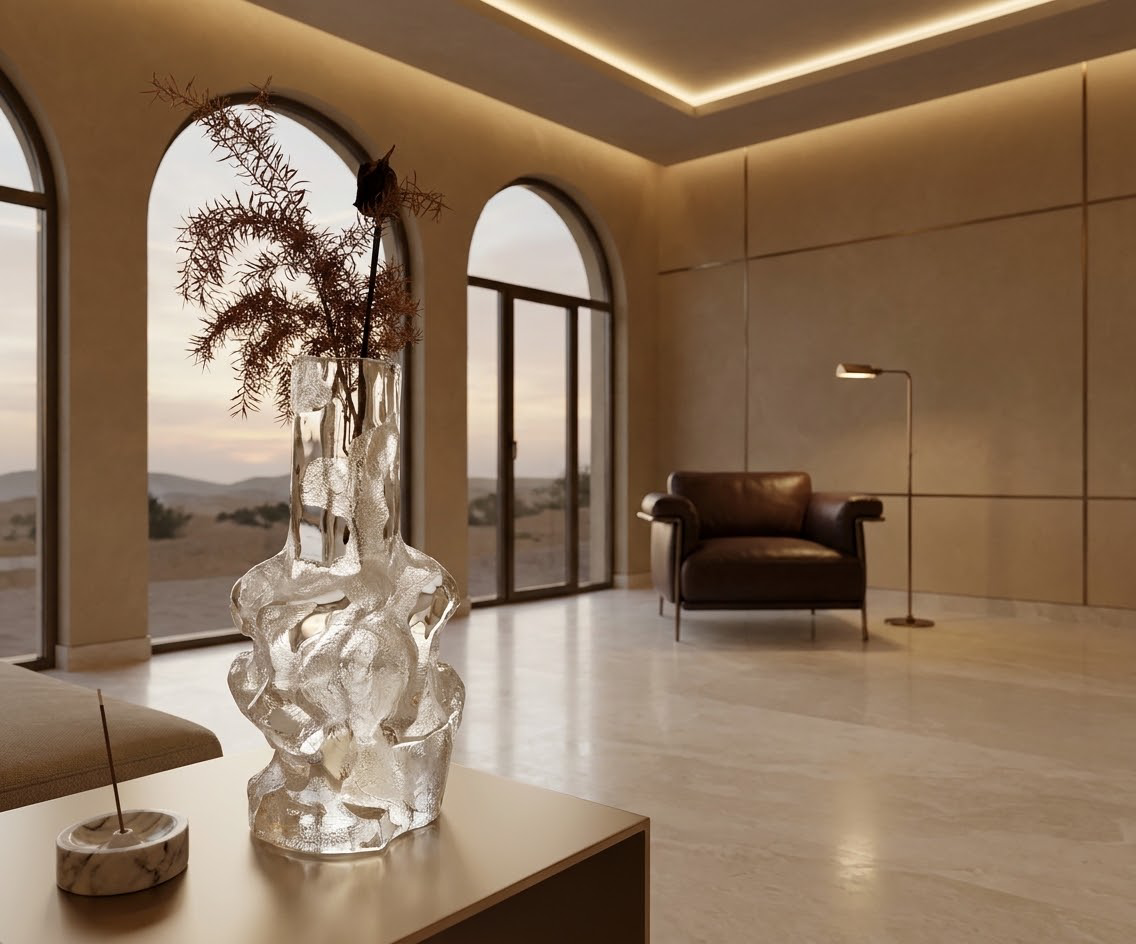
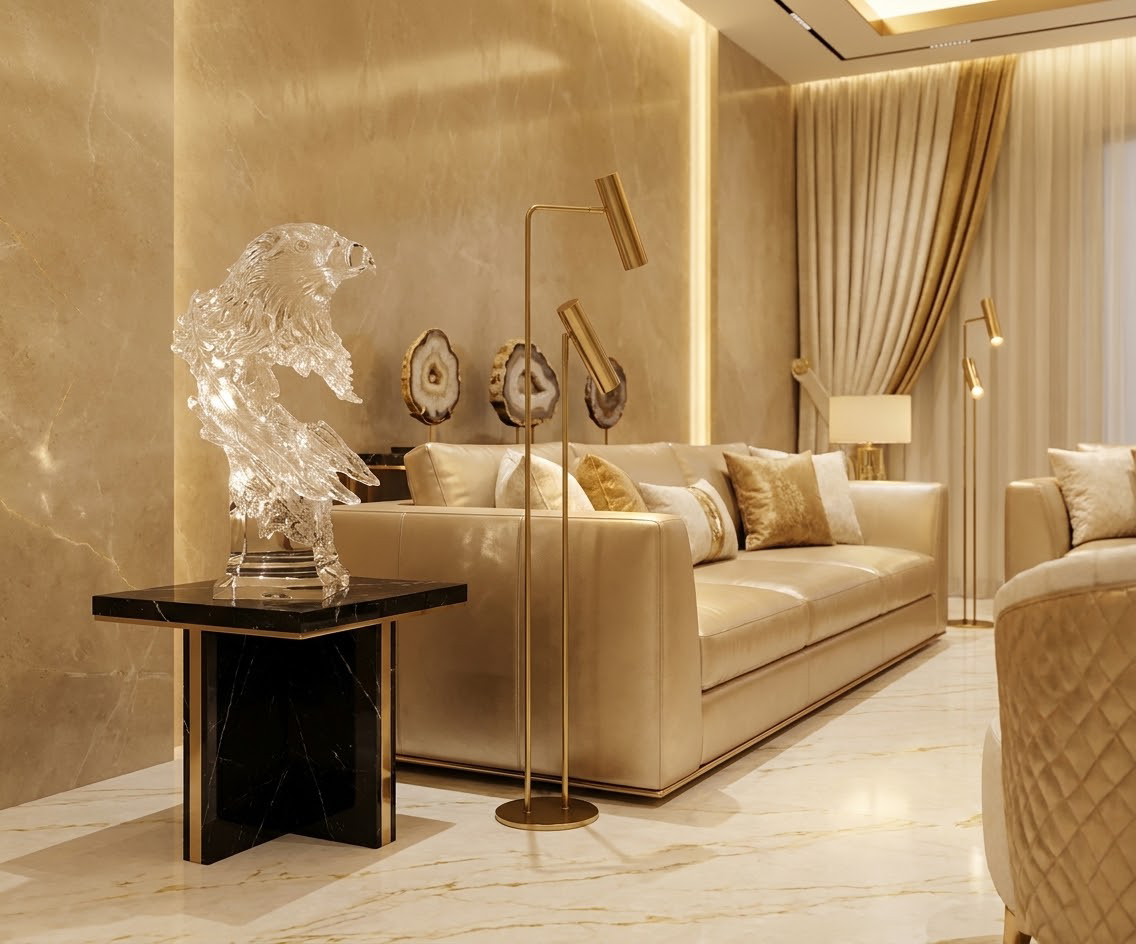
For interior designers managing high-end residential and commercial projects, custom furniture carries inherent risks of design misalignment, material inconsistency, and delayed delivery. Synthetic crystal furniture has emerged as a solution that merges aesthetic luxury with predictable manufacturing outcomes, addressing longstanding pain points in custom furnishing workflows. This guide breaks down risk mitigation strategies for integrating these pieces into project plans, from material selection to final installation.
1. Core Risk Factors for Custom Furniture in Interior Design Projects
Custom furniture projects often face 30-40% higher delay rates than standard furnishing orders, per 2024 interior design industry data. These risks stem from material variability, handcrafting inconsistencies, and supply chain gaps that can derail even well-planned project timelines.
1.1 Design Accuracy Gaps Between Concept and Final Product
Many custom furniture projects suffer from 15-25% deviation from initial design renders, especially for translucent or sculptural pieces. These gaps often lead to rework, client dissatisfaction, and extended project timelines.
Common design deviation triggers include hand-carving inconsistencies, material color batch differences, and untested structural proportions
For high-visibility pieces like feature tables, even 2mm of dimensional error can disrupt the entire room’s visual balance
Client approval cycles for revised samples can add 2-4 weeks to project timelines, creating cascading delays for other trades
Interior designers frequently note that translucent furniture pieces are particularly prone to design accuracy issues, as light refraction properties amplify even minor structural flaws. Artificial crystal furniture produced with standardized manufacturing processes reduces these risks by maintaining consistent dimensional and optical properties across production runs.
1.2 Supply Chain and Delivery Timeline Volatility
Traditional handcrafted custom furniture has a 38% on-time delivery rate for orders with lead times under 12 weeks, per a 2023 luxury furnishing industry report. Supply chain disruptions for raw materials and skilled labor shortages are the top two causes of delays.
Raw material lead times for natural crystal can vary from 8 to 20 weeks, depending on quarry availability and customs processing
Skilled artisan bottlenecks can add 3-6 weeks to production timelines for complex custom designs
Last-mile damage rates for fragile custom furniture reach 12%, requiring replacement production that extends delivery by 4-8 weeks
These risks are amplified for projects with strict opening deadlines, such as hotel lobbies, retail flagship stores, and high-end residential move-in dates. For interior designers managing multiple concurrent projects, unpredictable delivery timelines create cascading scheduling challenges that erode profit margins.
2. Material Advantages of Synthetic Crystal Furniture for Risk Reduction
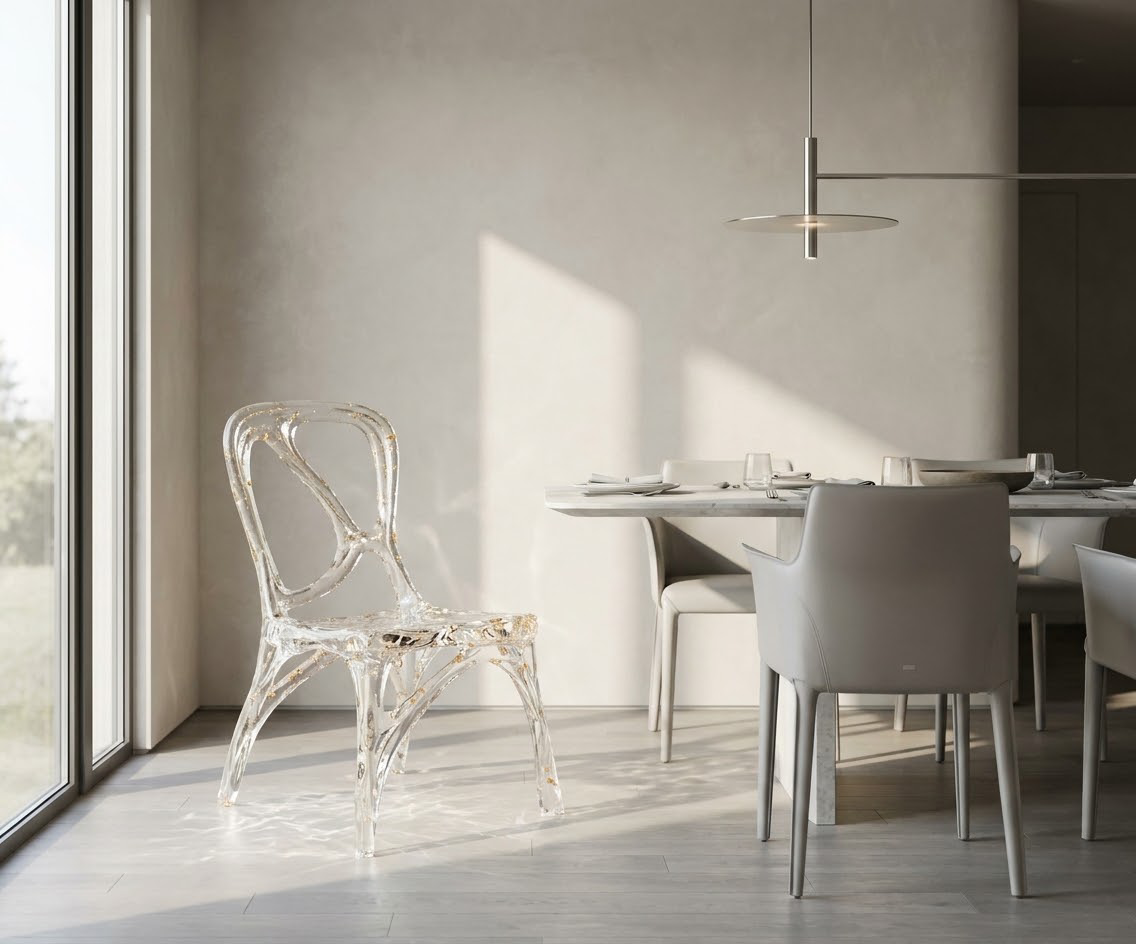
Synthetic crystal furniture is manufactured using controlled casting and curing processes that eliminate many of the variability risks associated with natural or handcrafted alternatives. The use of high-purity optical-grade materials ensures consistent performance and appearance across every custom piece.
2.1 Consistent Material Properties for Predictable Outcomes
Unlike natural crystal, which has inherent internal flaws, color variations, and structural inconsistencies, synthetic crystal is produced with uniform molecular structure. This consistency allows for precise engineering of both aesthetic and functional properties.
Color consistency across production batches reaches 99.5%, eliminating the need for client sample approval cycles for material matching
Dimensional stability during fabrication is 3x higher than natural crystal, reducing post-production warping or shape deviation
High surface hardness (Mohs 6.5-7) ensures scratch resistance that maintains appearance through installation and daily use
This predictability allows interior designers to confidently specify pieces without worrying about material-related rework. For example, synthetic crystal tables can be engineered to exact load-bearing requirements while maintaining the desired translucent aesthetic, with no risk of hidden structural flaws compromising performance.
2.2 Controlled Manufacturing for Reliable Lead Times
Synthetic crystal furniture production uses automated molding and curing processes that reduce reliance on skilled artisan labor. This standardized production model creates more predictable lead times and reduces the risk of production bottlenecks.
Standard custom piece lead times range from 4-6 weeks, compared to 10-16 weeks for handcrafted natural crystal furniture
Production timeline accuracy reaches 94%, with delays typically limited to 2-3 days rather than weeks
Bulk material stockpiles of high-purity optical-grade materials reduce supply chain disruption risks by 70% compared to natural crystal sourcing
Interior designers can align furniture production schedules with other project milestones more reliably, reducing the need for costly schedule adjustments. For fast-track commercial projects, this reliability is often the deciding factor between selecting synthetic versus natural crystal pieces.
3. Design Precision Capabilities of Synthetic Crystal Furniture
One of the most significant advantages of synthetic crystal furniture is its ability to match exact design specifications while maintaining structural integrity. Advanced manufacturing techniques allow for complex geometries that would be prohibitively expensive or risky with natural materials.
3.1 Precision Molding for Exact Design Replication
Computer-aided design (CAD) and precision molding technology enable synthetic crystal furniture to match design renders with 99% dimensional accuracy. This level of precision reduces design approval cycles and eliminates the need for costly full-size prototypes for most projects.
Dimensional tolerance for custom pieces is ±0.5mm, compared to ±3-5mm for hand-carved natural crystal furniture
Complex curved surfaces and intricate edge details can be reproduced consistently across multiple matching pieces
Embedded elements, such as metal inlays or LED lighting channels, can be integrated during casting for seamless, durable results
For interior designers working on branded commercial spaces, this precision ensures that furniture pieces match brand guidelines exactly. Synthetic crystal chairs for a luxury retail store, for example, can be produced with identical shape, transparency, and color across an order of 50+ units, creating a cohesive visual experience.
3.2 Customization Flexibility Without Compromising Quality
Synthetic crystal furniture supports a wide range of custom modifications without the quality risks associated with altering natural stone or handcrafted pieces. This flexibility allows designers to iterate on designs without incurring excessive costs or timeline delays.
Available customizations include color tinting, texture variation, embedded decorative elements, and size adjustments
Design modifications can be implemented in 2-3 days, compared to 2-3 weeks for handcrafted custom furniture revisions
Structural performance remains consistent across all customization options, with no degradation to high surface hardness or load-bearing capacity
This flexibility is particularly valuable for design development phases, where client feedback may require adjustments to furniture proportions or appearance. Interior designers can present multiple custom options with accurate cost and timeline estimates, reducing the risk of scope creep later in the project.
4. Delivery Risk Mitigation Strategies for Custom Synthetic Crystal Pieces
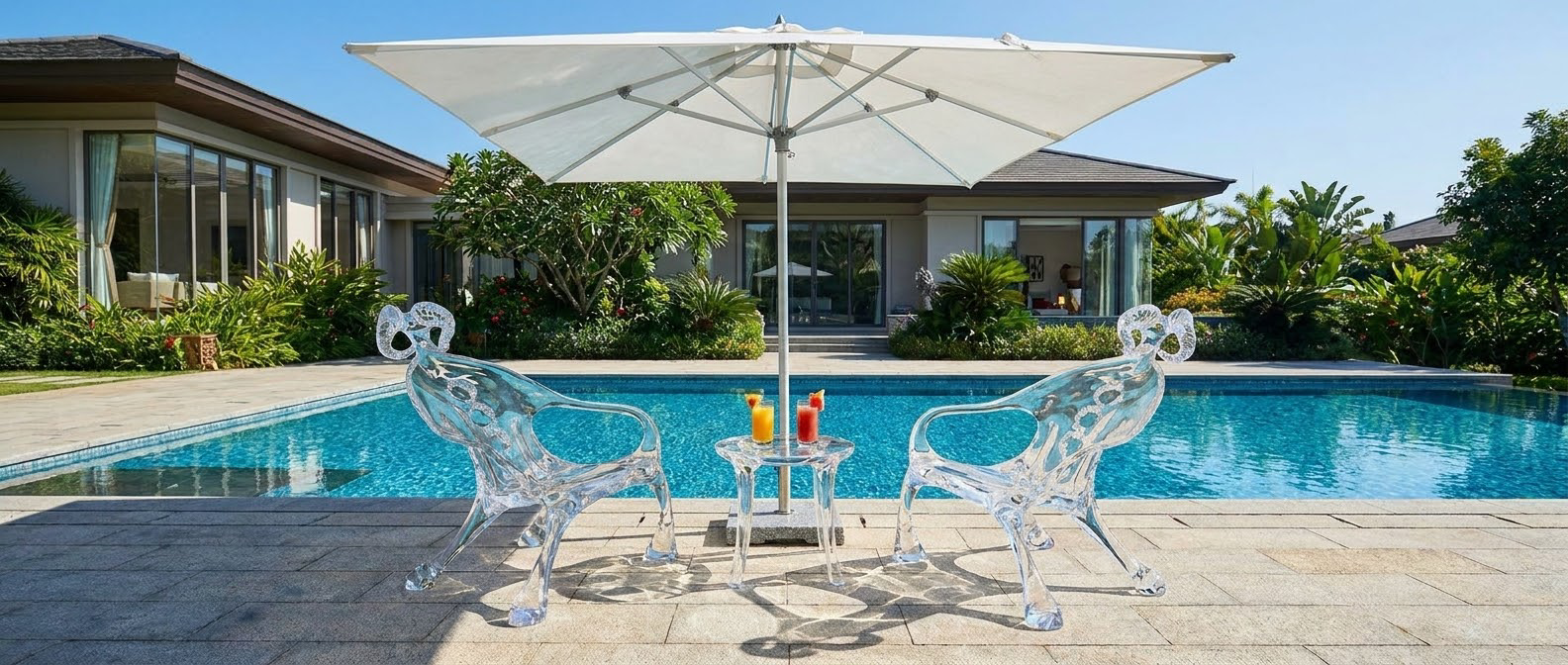
Even with reliable manufacturing processes, proper project planning is essential to ensure on-time delivery and installation success. Interior designers can implement several strategies to further reduce delivery risks for custom synthetic crystal furniture orders.
4.1 Pre-Production Planning and Milestone Alignment
Effective pre-production planning reduces delivery delay risks by 60%, per project management data for high-end interior design projects. Aligning furniture production milestones with overall project timelines ensures that pieces are delivered exactly when needed.
Conduct a design feasibility review with the manufacturer before finalizing client approvals to identify potential production challenges
Schedule intermediate production check-ins at 30% and 70% completion to confirm progress and address any adjustments early
Coordinate delivery timing with on-site installation teams to avoid storage costs and reduce damage risks from multiple handling steps
For large orders, such as outfitting an entire hotel lobby with synthetic crystal tables and seating, phased production and delivery can align with ongoing construction milestones. This approach reduces on-site storage needs and ensures that pieces are installed as soon as their designated space is ready.
4.2 Quality Control and Damage Prevention Protocols
While synthetic crystal’s high surface hardness reduces damage risks compared to natural crystal, proper quality control and packaging protocols are still critical to ensure flawless delivery. Implementing multi-stage quality checks reduces post-delivery issue rates by 85%.
Pre-shipment quality inspections should include dimensional verification, optical clarity testing, surface finish inspection, and structural load testing
Custom foam packaging with reinforced crating reduces transport damage rates to less than 1%
White-glove installation services with trained teams ensure proper handling and assembly on-site, reducing installation-related damage risks
Interior designers should request detailed quality control reports from manufacturers before shipment, especially for high-value custom pieces. This documentation provides transparency and allows for early resolution of any issues before pieces leave the production facility.
5. Practical Implementation Tips for Interior Designers
Integrating synthetic crystal furniture into design projects requires careful supplier selection and clear communication to maximize risk reduction benefits. These actionable tips help interior designers navigate the specification and procurement process effectively.
5.1 Supplier Selection Criteria for Reliable Partnerships
Not all synthetic crystal furniture manufacturers offer the same level of precision, quality, or delivery reliability. Interior designers should evaluate potential suppliers against specific criteria to ensure they can meet project requirements.
Verify that manufacturers use high-purity optical-grade materials rather than lower-quality acrylic or resin alternatives
Review past custom project portfolios to assess design complexity capabilities and finish quality
Request delivery timeline data and client references to confirm reliability for time-sensitive projects
Inquire about customization flexibility and revision policies to support iterative design processes
Establishing long-term partnerships with reliable manufacturers creates additional benefits, including priority production scheduling, custom design support, and consistent pricing. For interior designers managing multiple projects annually, these partnerships reduce overall project risk and streamline procurement workflows.
5.2 Client Communication and Expectation Setting
Clear client communication is essential to reduce misalignment risks and ensure satisfaction with final furniture pieces. Synthetic crystal furniture’s predictable properties make it easier to set accurate client expectations from the initial design phase.
Present physical material samples alongside digital renders to give clients a clear understanding of final appearance and texture
Share detailed production timelines with milestone updates to keep clients informed throughout the process
Explain the performance benefits of synthetic crystal, including high surface hardness and scratch resistance, to justify material selection
For clients who initially prefer natural crystal, providing side-by-side samples and performance data can help them understand the value of synthetic alternatives. Highlighting the reduced risk of delays, consistent appearance, and lower long-term maintenance requirements often resonates with clients prioritizing both aesthetics and project reliability.
In conclusion, synthetic crystal furniture offers a compelling solution for interior designers seeking to reduce custom furnishing risks while maintaining high-end aesthetic standards. By leveraging high-purity optical-grade materials, precision manufacturing, and reliable lead times, these pieces balance design precision with delivery predictability. As demand for custom luxury interiors continues to grow, integrating synthetic crystal options into project plans will become an increasingly valuable risk management strategy for design professionals.

READ MORE:
- Arredamento in cristallo sintetico: innovazione dei materiali e libertà nel design d’interni
- Progettazione strutturale e prestazioni d'uso dell'arredamento in cristallo sintetico: come coniugare innovazione formale, stabilità e funzionalità?
- Arredamento in cristallo sintetico: design d'interni orientato all'esperienza e modellazione dell'atmosfera
- Arredamento in cristallo sintetico: dalla trasparenza dei materiali alla gerarchia spaziale nei metodi di organizzazione visiva del design d'interni contemporaneo
- Arredamento in cristallo sintetico: scala visiva e rapporto tra proporzioni architettoniche e volume dei mobili
- Synthetic Crystal Furniture: How Edge Aesthetics in Detail Design Define Interior Spatial Texture
- Synthetic Crystal Furniture: Redefining Material Expression in Contemporary Interior Design
- Synthetic Crystal Furniture: From Furniture Design to Brand Space Shaping in High-End Retail
- How Synthetic Crystal Furniture Bridges Design Creativity and Manufacturing for Complex Custom Shapes


