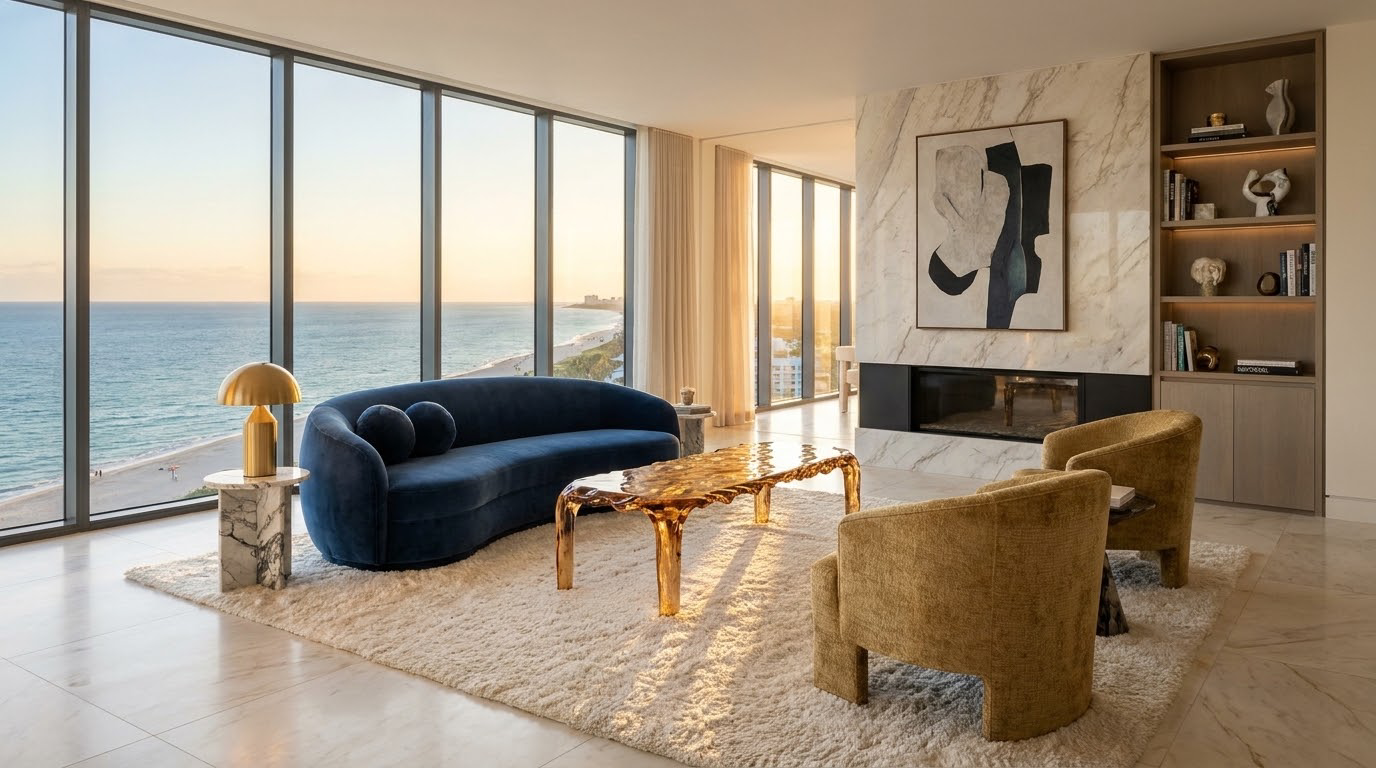
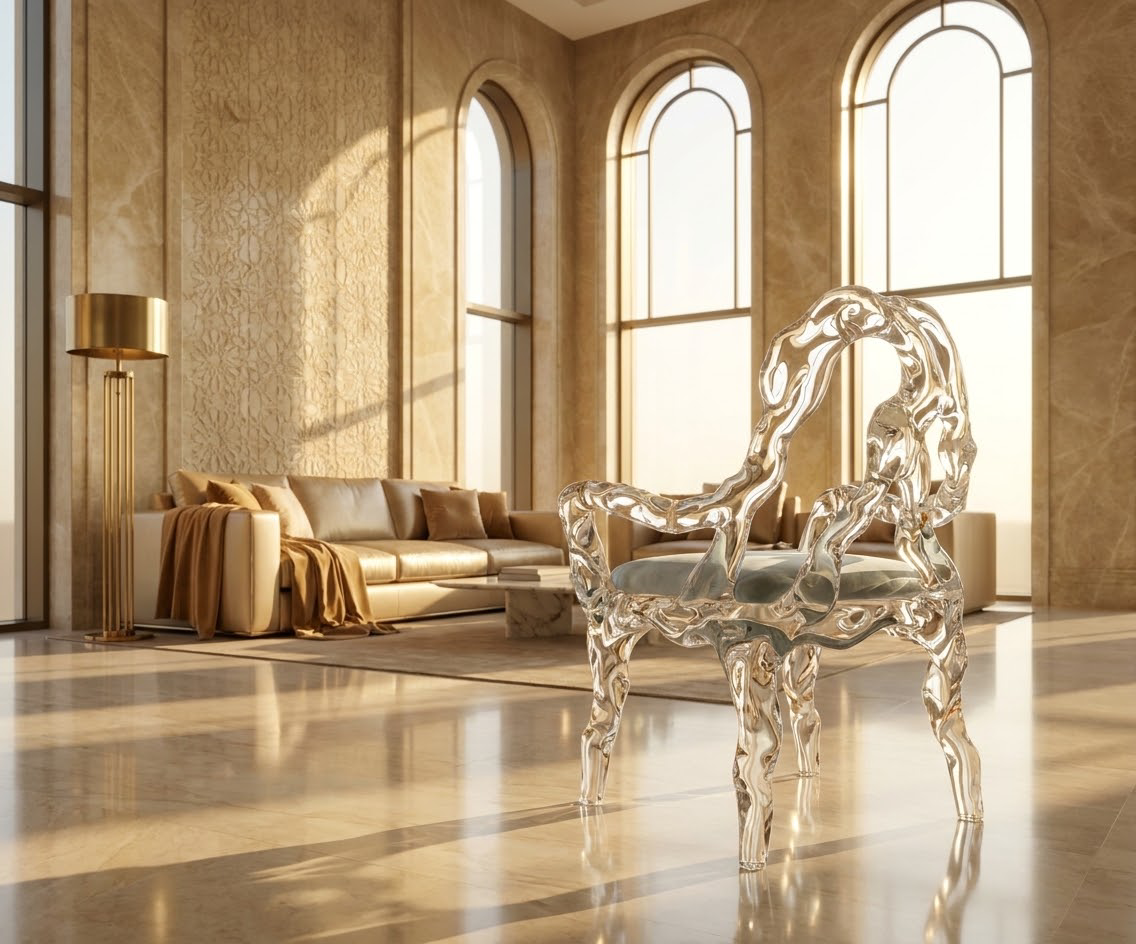
Synthetic crystal furniture has emerged as a transformative material in modern interior design, reshaping how interior designers approach light, space, and texture in contemporary settings. As the evolution of space styles leans toward minimalism, transparency, and tactile luxury, this innovative furniture category bridges functionality and artistic expression.
This article explores how synthetic crystal furniture integrates with evolving contemporary space styles, its material properties, practical applications, and future potential for design professionals.
The Material Foundation of Synthetic Crystal Furniture
Core Material Composition and Production Processes
At the heart of synthetic crystal furniture lies advanced manufacturing that transforms raw materials into functional design pieces. Unlike natural crystal, which is limited by size and clarity, artificial crystal furniture is engineered for consistency and performance.
The production process involves several key stages:
Material purification: High-purity optical-grade materials are melted at controlled temperatures to eliminate impurities
Mold forming: Custom molds shape the molten material into furniture components
Precision polishing: Multi-stage polishing achieves a flawless, reflective surface
Quality testing: Each piece undergoes stress and clarity testing to meet industry standards
Key Performance Advantages Over Traditional Materials
Synthetic crystal furniture offers unique benefits that set it apart from glass, acrylic, and natural stone alternatives. Its engineered structure delivers both aesthetic appeal and practical durability.
Notable performance characteristics include:
High surface hardness: Resists scratches and abrasions better than acrylic or standard glass
Optical clarity: Delivers 92% light transmittance, matching premium optical glass
Structural stability: Maintains shape under temperature fluctuations from -20°C to 80°C
Design flexibility: Can be molded into complex curves and forms not possible with natural crystal
Evolution of Contemporary Interior Space Styles
Shift From Minimalist Opacity to Transparent Spatiality
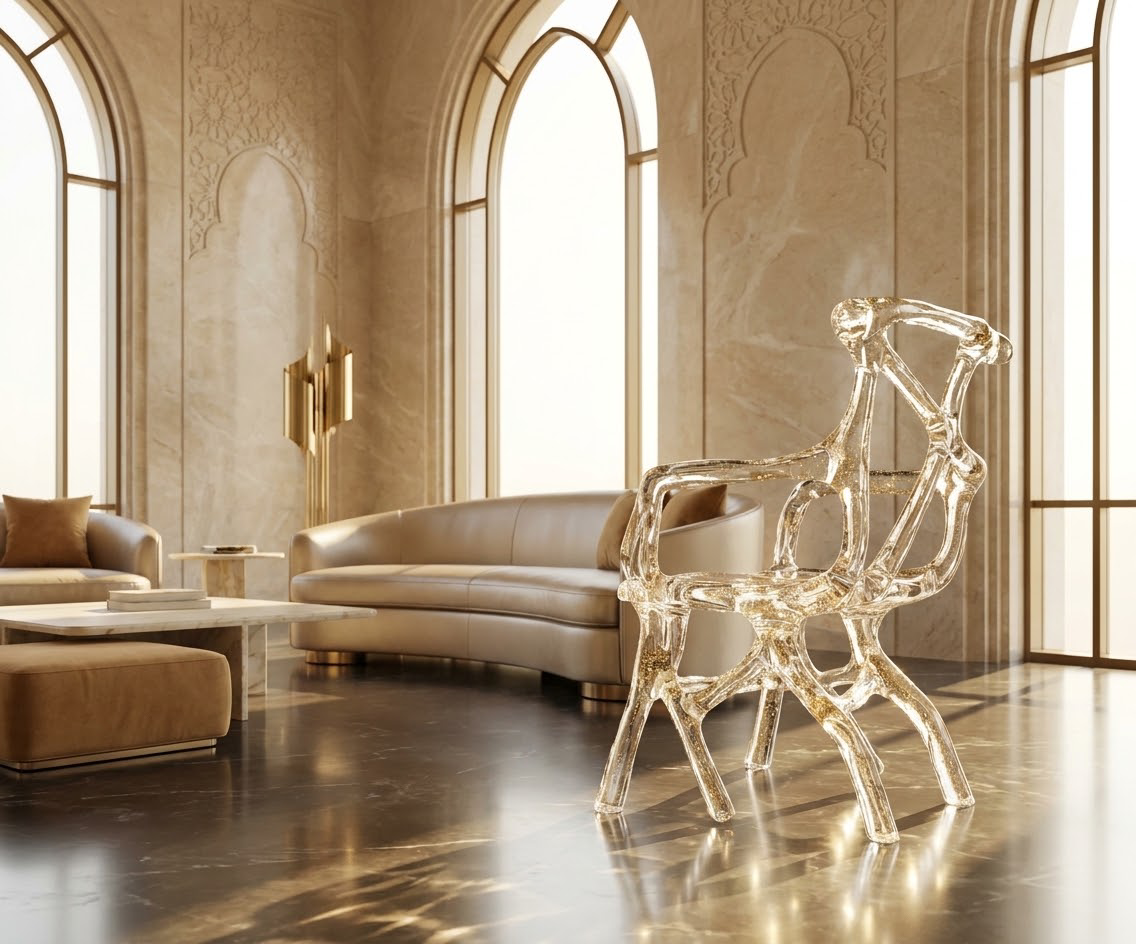
Contemporary interior design has undergone a dramatic shift over the past decade, moving from heavy, opaque materials toward light, transparent elements. Interior designers increasingly use synthetic crystal furniture to create visual openness in compact urban spaces.
This trend reflects several key design priorities:
Space optimization: Transparent pieces reduce visual clutter in small apartments
Light amplification: Crystal surfaces reflect and refract natural light, brightening interiors
Visual continuity: Seamless material transitions create a sense of flow between rooms
Timeless aesthetics: Neutral, clear designs adapt to changing decor trends
Integration of Technology and Organic Design Principles
Modern space design now blends technological innovation with organic, nature-inspired forms. Synthetic crystal furniture embodies this fusion, combining engineered precision with fluid, natural silhouettes.
Key style combinations driving this trend:
Biophilic design integration: Crystal forms mimic natural crystal formations and water surfaces
Smart furniture integration: Embedded LED lighting transforms pieces into functional light sources
Sustainable design alignment: Recyclable material composition supports eco-friendly projects
Art furniture crossover: Limited-edition pieces blur the line between furniture and sculpture
Application Strategies for Synthetic Crystal Furniture in Different Spaces
Residential Interior Applications
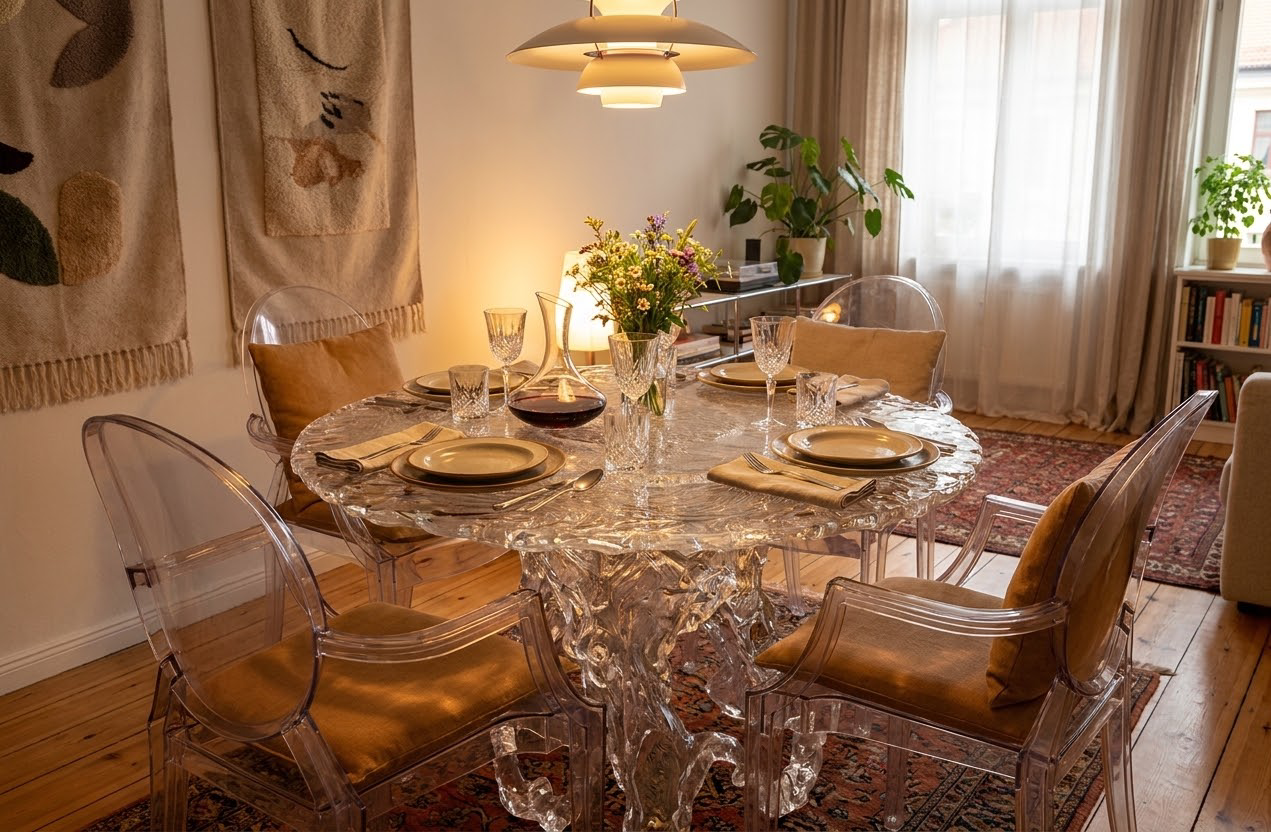
In residential settings, synthetic crystal tables and chairs serve as both functional pieces and focal design elements. Interior designers often use these pieces to elevate dining rooms, living areas, and home offices.
Popular residential applications include:
Dining areas: A synthetic crystal table creates a stunning centerpiece without overwhelming the room
Living rooms: Crystal side tables complement sofas and add reflective interest
Home offices: Clear desk surfaces maintain a clean, focused work environment
Bedrooms: Crystal nightstands add subtle luxury without visual weight
For example, a 2023 residential project in Manhattan used a custom synthetic crystal dining table to maximize natural light in a 600-square-foot apartment, making the space feel 30% larger according to client feedback.
Commercial and Public Space Applications
Commercial spaces benefit from the durability and visual impact of artificial crystal furniture, especially in high-traffic areas where both aesthetics and longevity matter.
Key commercial applications include:
Hotel lobbies: Large crystal installations create memorable first impressions
Retail spaces: Display tables and seating showcase products while maintaining brand luxury
Office reception areas: Crystal seating conveys professionalism and modernity
Restaurant interiors: Crystal tables enhance fine dining experiences
The high surface hardness of these pieces makes them ideal for commercial use, with 70% less visible wear compared to acrylic furniture after 2 years of heavy use, according to a 2024 hospitality design industry report.
Design Collaboration Between Makers and Interior Designers
Customization Capabilities for Bespoke Projects
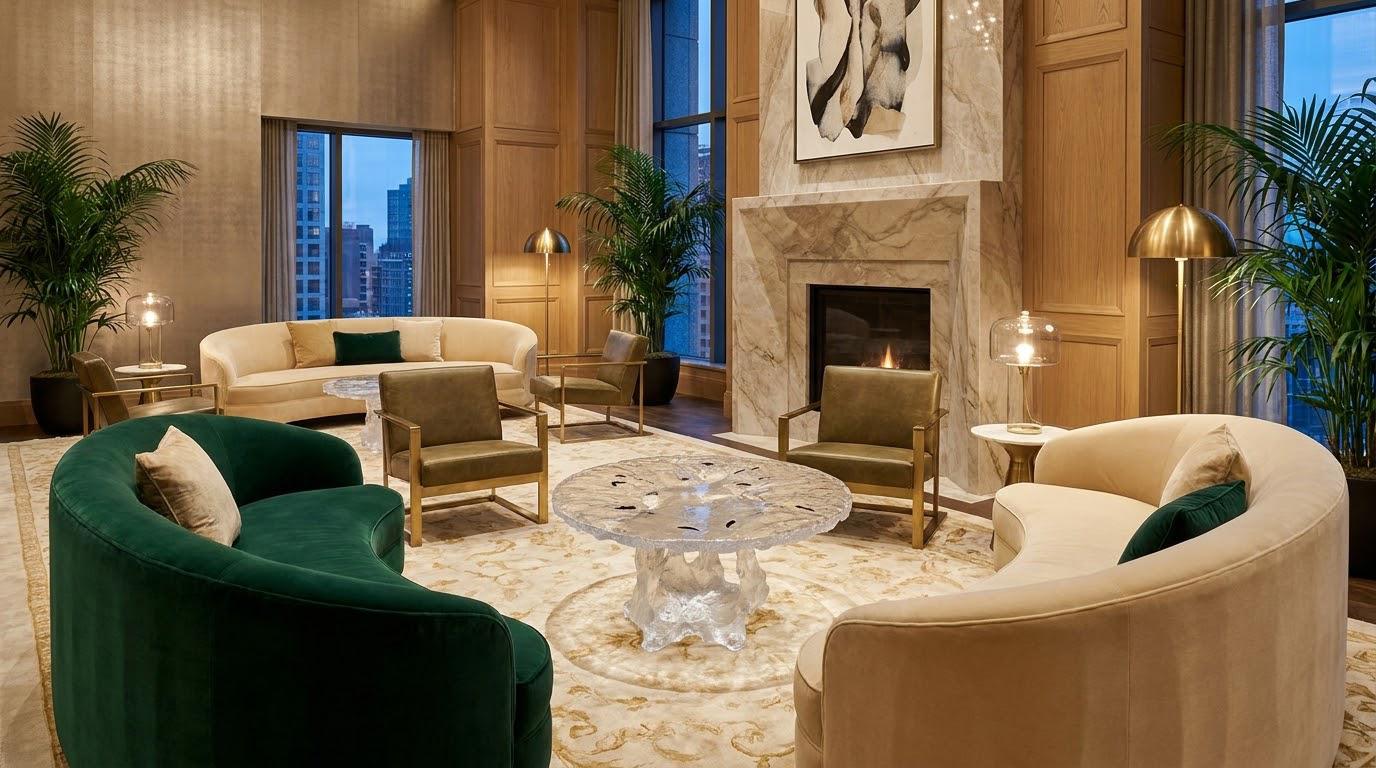
Interior designers often require custom solutions to match unique project specifications, and synthetic crystal furniture manufacturers offer extensive customization options. This flexibility makes the material suitable for one-of-a-kind design projects.
Available customization options include:
Size and shape: Fully custom dimensions, from small side tables to 12-foot conference tables
Color tinting: Subtle color infusions for matching brand or decor palettes
Texture variations: Frosted, rippled, or faceted surfaces for different light effects
Base materials: Pairing with metal, wood, or stone bases for mixed-material designs
Quality Standards and Specification Guidelines
For professional design projects, understanding specification standards ensures material performance meets project requirements. Interior designers should reference key metrics when specifying synthetic crystal furniture.
Critical specification factors include:
Material grade: Verify use of high-purity optical-grade materials for maximum clarity
Thickness specifications: Minimum 25mm thickness for table tops, 15mm for chair components
Edge treatment: Polished, beveled, or rounded edges based on safety and aesthetic needs
Load capacity: Confirm weight ratings for seating and table applications
Future Trends and Innovation Directions
Sustainable Development of Synthetic Crystal Materials
As sustainability becomes a core priority in design, manufacturers are developing eco-friendly production methods for synthetic crystal furniture. These advancements address environmental concerns while maintaining material performance.
Current sustainability innovations include:
Recycled material content: Up to 40% recycled crystal in new production batches
Energy-efficient manufacturing: 30% reduction in production energy use since 2020
Circular design programs: Take-back and recycling programs for end-of-life pieces
Low-emission production: Closed-loop systems that reduce air and water pollution
Emerging Design Trends and Market Outlook
The market for artificial crystal furniture is projected to grow 12% annually through 2028, driven by increasing demand from luxury residential and commercial sectors. Several emerging trends are shaping this growth.
Key future trends to watch:
Interactive crystal furniture: Pieces with embedded sensors and responsive lighting
Mixed-material combinations: Crystal paired with recycled metals and reclaimed wood
Residential accessibility: More affordable production methods making crystal furniture accessible to broader markets
Digital customization: AI-powered design tools that let designers visualize custom pieces in real time
READ MORE:
- Arredamento in cristallo sintetico: innovazione dei materiali e libertà nel design d’interni
- Progettazione strutturale e prestazioni d'uso dell'arredamento in cristallo sintetico: come coniugare innovazione formale, stabilità e funzionalità?
- Arredamento in cristallo sintetico: design d'interni orientato all'esperienza e modellazione dell'atmosfera
- Arredamento in cristallo sintetico: dalla trasparenza dei materiali alla gerarchia spaziale nei metodi di organizzazione visiva del design d'interni contemporaneo
- Arredamento in cristallo sintetico: scala visiva e rapporto tra proporzioni architettoniche e volume dei mobili
- Synthetic Crystal Furniture: How Edge Aesthetics in Detail Design Define Interior Spatial Texture
- Synthetic Crystal Furniture: Balancing Design Precision and Delivery in Custom Interior Projects
- Synthetic Crystal Furniture: From Furniture Design to Brand Space Shaping in High-End Retail
- How Synthetic Crystal Furniture Bridges Design Creativity and Manufacturing for Complex Custom Shapes


